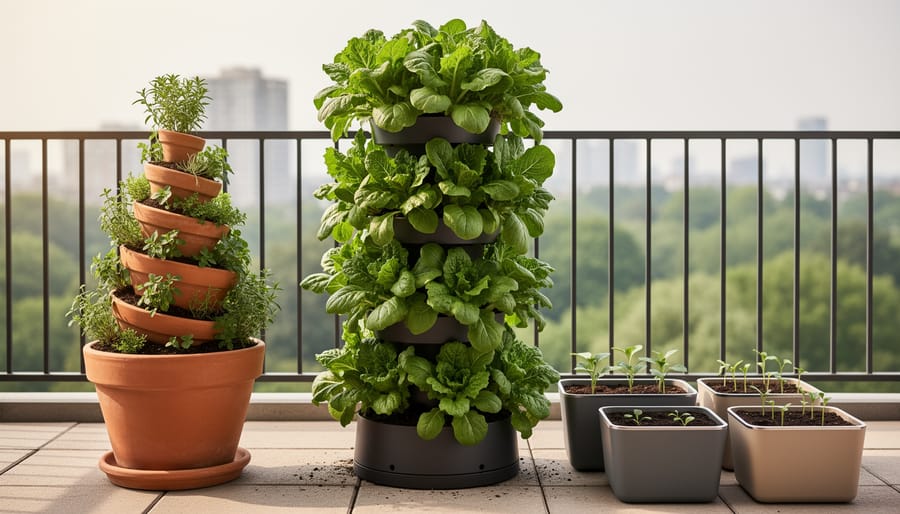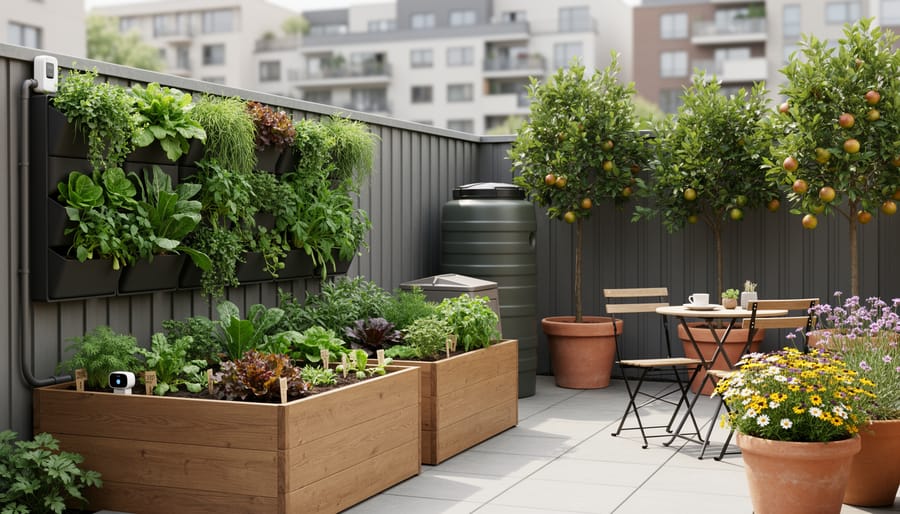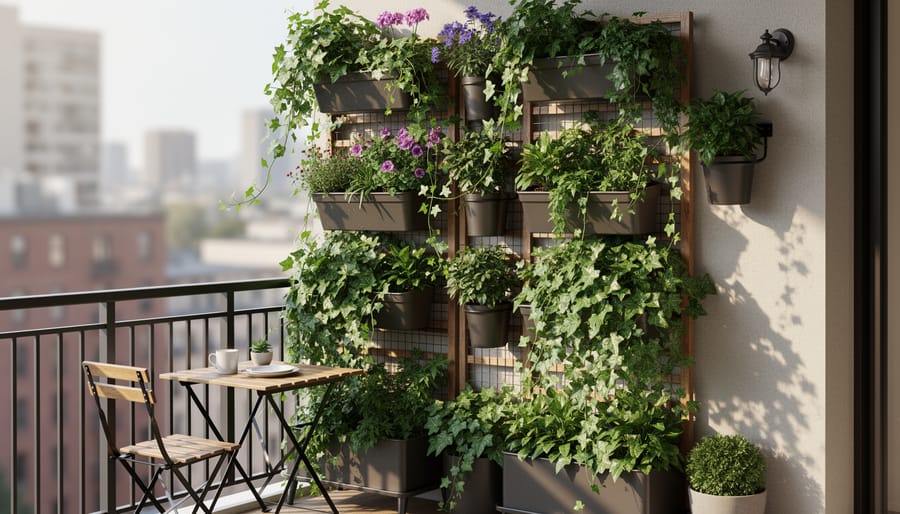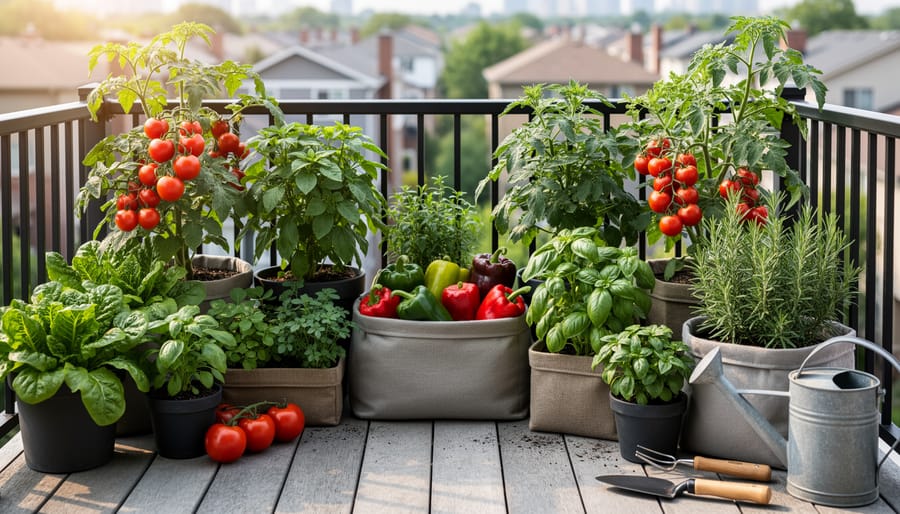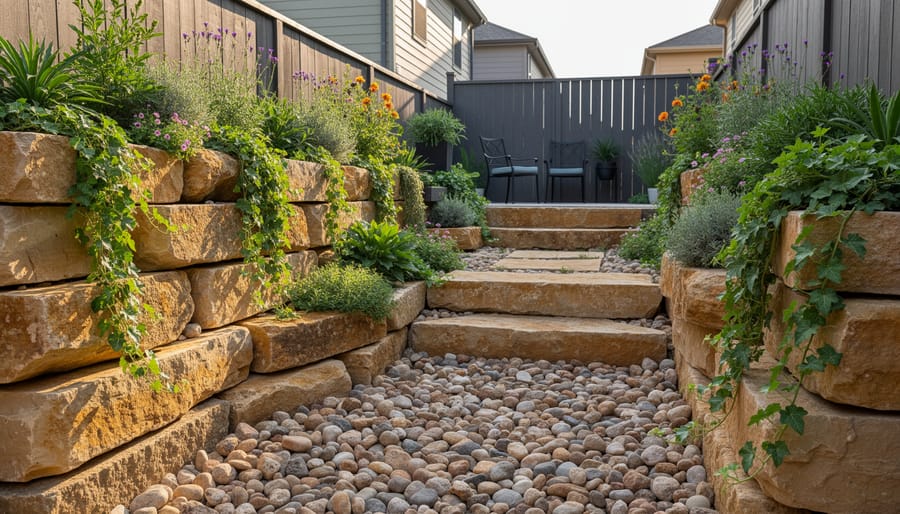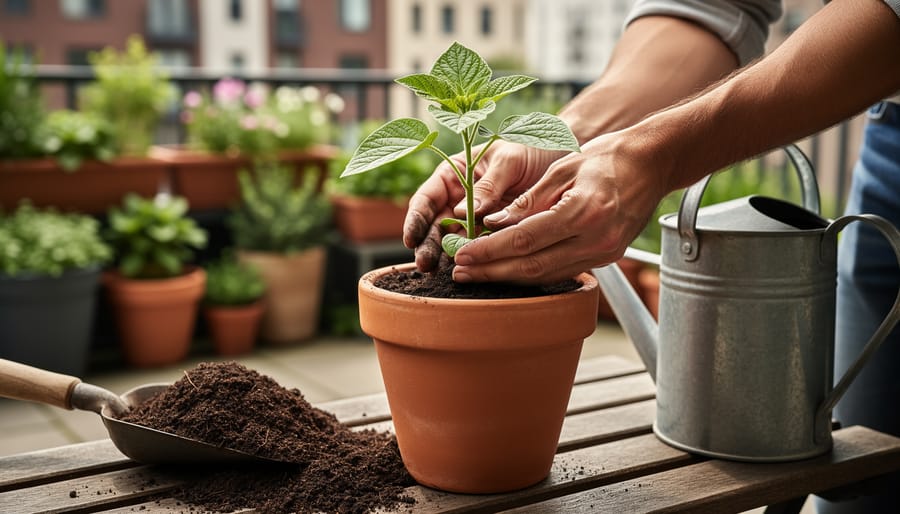
A gardening philosophy is the set of principles and values that guide your decisions about what, how, and why you grow plants. It’s the reason you choose native wildflowers over exotic imports, embrace composting, or commit to organic pest control. Rather than following someone else’s playbook, your philosophy reflects what matters most to you, whether that’s maximizing harvests in tight spaces, supporting local pollinators, or simply creating a calming retreat.
Most gardeners develop their philosophy without realizing it. The first time you skip a chemical fertilizer because it doesn’t feel right, or arrange containers to catch rainwater instead of letting it run off, you’re acting on your values. In Austin’s unique climate, where water conservation and extreme heat shape every growing decision, these guiding principles become especially practical. Your philosophy helps you prioritize when resources, space, or time run short.
This article breaks down how different gardening philosophies work in real urban settings, the most common approaches you’ll encounter (from permaculture to container-focused methods), and how to identify the principles that will serve your specific situation. You’ll learn to recognize which beliefs drive your choices and how to refine them as your garden evolves. The goal isn’t to pick the “right” philosophy but to build one that makes your limited space, time, and energy work harder for you. When you’re clear about your approach, every decision becomes faster and more confident.
What Gardening Philosophy Really Means
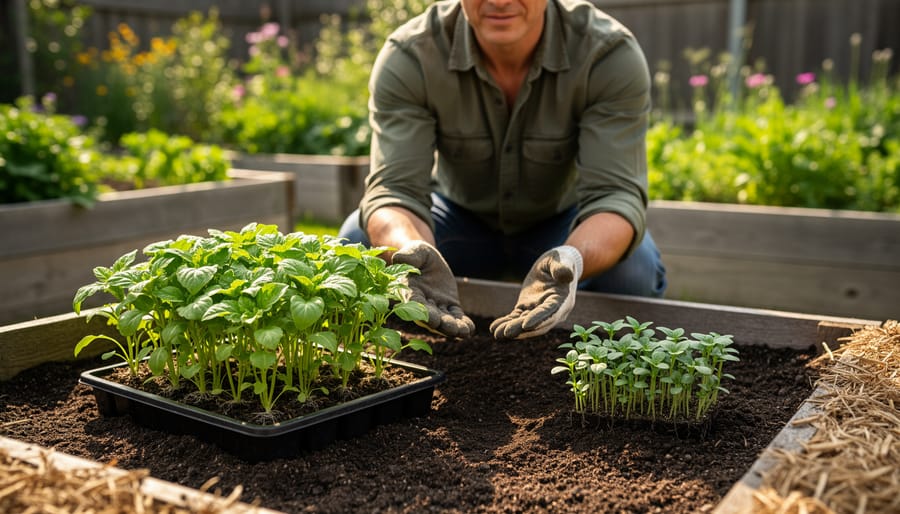
Gardening philosophy is the set of beliefs and priorities that shapes why you garden the way you do. It’s your personal framework for making countless small decisions, from whether to use mulch to which tomato variety fits your space. Think of it as the difference between following a recipe and understanding why certain ingredients work together.
Most gardeners develop their philosophy without ever naming it. You might naturally gravitate toward native plants because you care about local wildlife, or choose containers that require minimal watering because your schedule is packed. Those aren’t random choices, they reflect underlying values about what matters most in your garden.
- Gardening Philosophy
- The core beliefs and values that guide your overall approach to growing plants, from environmental priorities to aesthetic preferences.
- Approach
- Your general method or style of gardening that flows from your philosophy, such as low-maintenance, organic, or design-focused.
- Methodology
- The specific techniques and systems you use to implement your approach, like drip irrigation or companion planting.
- Principles
- The fundamental rules or standards you follow consistently, such as always choosing drought-tolerant plants or avoiding synthetic chemicals.
Here’s what makes philosophy different from technique: techniques are the how-to steps, while philosophy is the thinking that determines which techniques you’ll even consider. Someone with a sustainable philosophy might learn composting techniques and skip synthetic fertilizers entirely. Another gardener focused on aesthetics might master color theory and seasonal succession planting.
Your philosophy doesn’t lock you into rigid rules. It evolves as you learn what works in your space and what brings you satisfaction. A beginner might start with a simple “keep everything alive” philosophy and gradually develop more nuanced priorities as they gain confidence. The key is recognizing that every watering decision, every plant purchase, and every weekend hour you spend outside reflects some underlying intention, and bringing that intention into focus makes gardening more purposeful and enjoyable.
How a Gardening Philosophy Works in Practice
The Decision Filter
Your philosophy works like a filter that sorts every gardening decision through two questions: does this fit who I am as a gardener, and will it actually work in my space? When you spot a beautiful but water-hungry tropical plant at the nursery, a low-maintenance philosophy reminds you it won’t survive Austin summers without constant attention. A sustainability-focused gardener automatically reaches for drip irrigation over 90% efficient watering methods instead of sprinklers that waste half the water.
The filter becomes especially useful in urban gardening where every choice has consequences. That trendy vertical tower looks amazing, but does it match your realistic watering schedule? The heirloom tomatoes sound wonderful, but do they fit your productive philosophy when your balcony only gets four hours of sun? A clear philosophy lets you decline what doesn’t serve you without guilt or second-guessing. You’re not missing out, you’re staying aligned with what matters in your garden and your life.
Austin-Specific Considerations
Central Texas gardening means working with intense summer heat, limited rainfall, and mandatory water rules that directly impact your philosophy. The Austin gardening zone (8b/9a) lets you grow year-round, but June through September brings triple-digit temperatures where heat stress affects plants even with adequate water. Check the Austin water restriction schedule before planning any garden, most addresses follow twice-weekly limits that shape what you can realistically maintain.
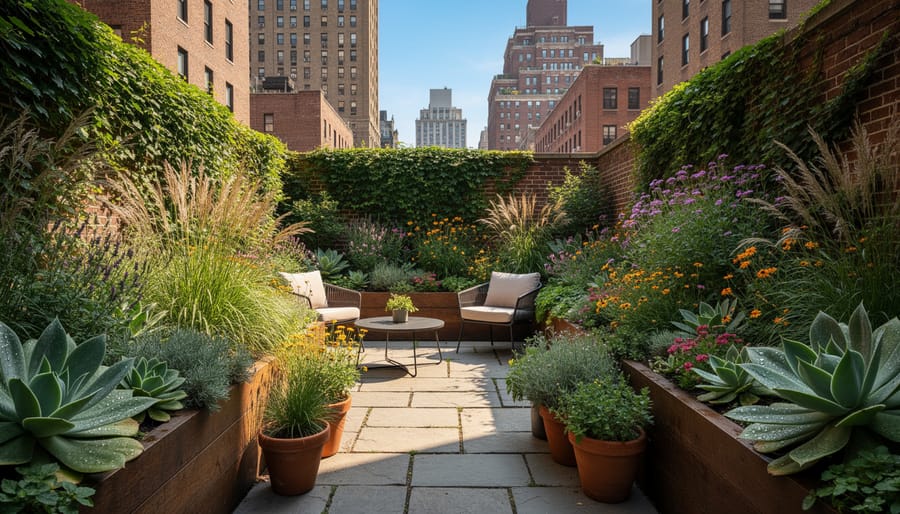
These constraints push many urban gardeners toward xeriscaping principles: choosing native or adapted plants that thrive without constant irrigation. Think salvias, zinnias, lantana, and Texas sage rather than water-hungry annuals. Your philosophy might prioritize drought tolerance over appearance, or accept that some containers need daily summer watering while in-ground beds get deep drinks twice weekly. The limestone soil and alkaline pH also influence choices, some philosophies embrace what grows easily here instead of fighting the conditions. Heat and water limits aren’t obstacles; they’re parameters that help clarify what matters most in your garden approach.
Common Gardening Philosophy Types
Sustainable and Organic Approaches
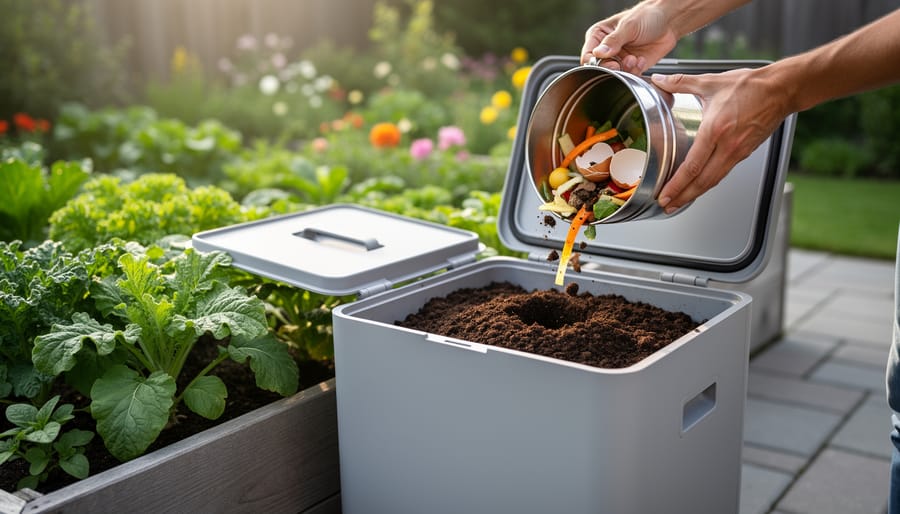
Sustainable and organic gardeners see their plots as small ecosystems rather than controlled experiments. This philosophy centers on soil health, you’ll compost kitchen scraps, avoid synthetic fertilizers, and choose pest management strategies that don’t disrupt beneficial insects. Chemical-free growing means accepting some leaf damage as normal rather than reaching for sprays at the first sign of aphids.
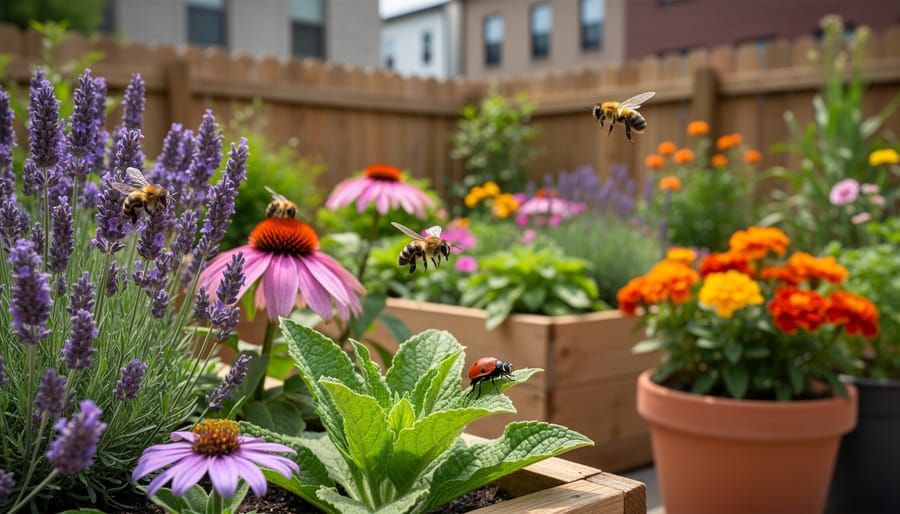
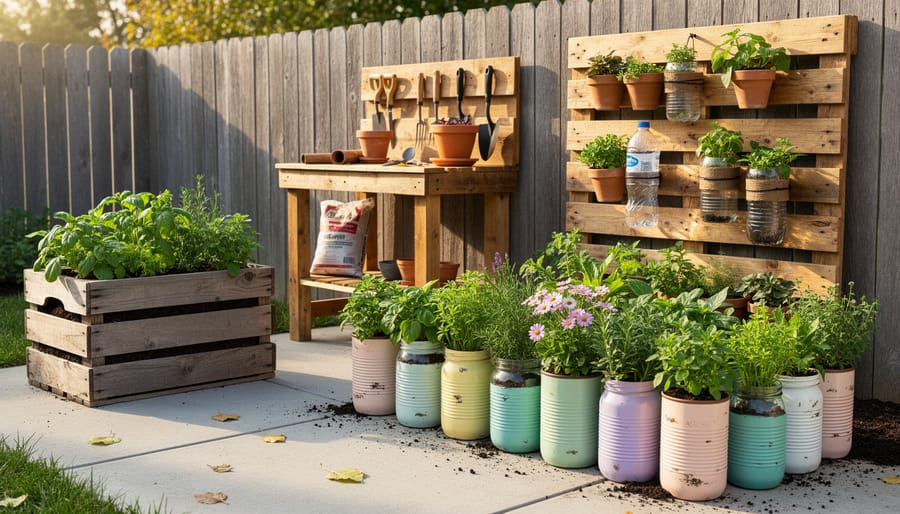
In Austin’s heat, this approach pairs naturally with native plants that thrive without constant intervention. You’re selecting varieties adapted to local conditions instead of fighting your climate. Water conservation becomes second nature, mulching heavily, capturing rainwater, and grouping plants by their moisture needs. The goal isn’t perfection but creating a resilient garden that supports pollinators, builds healthy soil over time, and minimizes environmental impact.
Low-Maintenance and Practical Philosophies
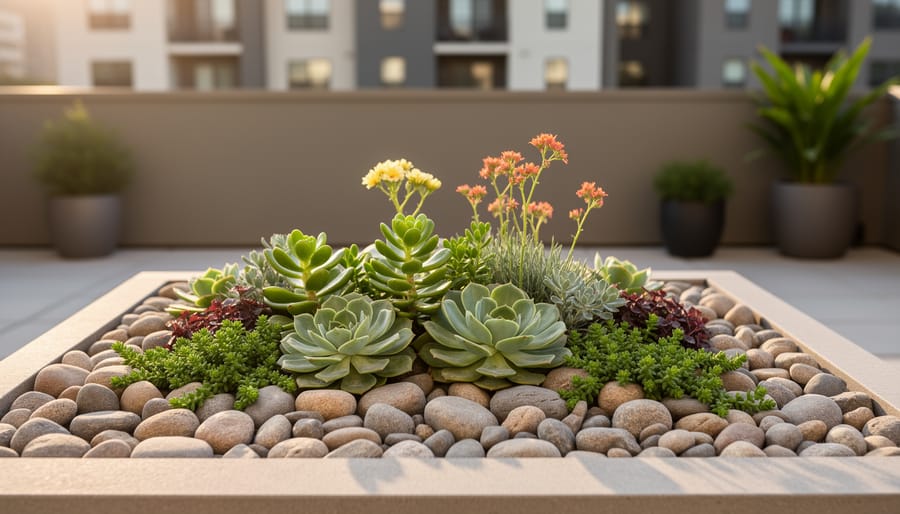
This approach values simplicity over spectacle. You choose plants that thrive with minimal intervention, native perennials, succulents, and drought-tolerant varieties that forgive a missed watering. The goal is a garden that looks good without demanding weekend marathons of maintenance.
In Austin, this means embracing heat-loving plants like lantana, salvia, and yucca that actually prefer neglect over fussing. You skip high-maintenance annuals that need constant deadheading and fertilizing. Your systems are simple: drip irrigation on a timer, mulch to reduce weeds, and perennials that come back year after year without replanting.
This philosophy asks one question before adding anything new: will this make my life easier or harder? If the answer is harder, you pass.
Aesthetic and Design-Focused Thinking
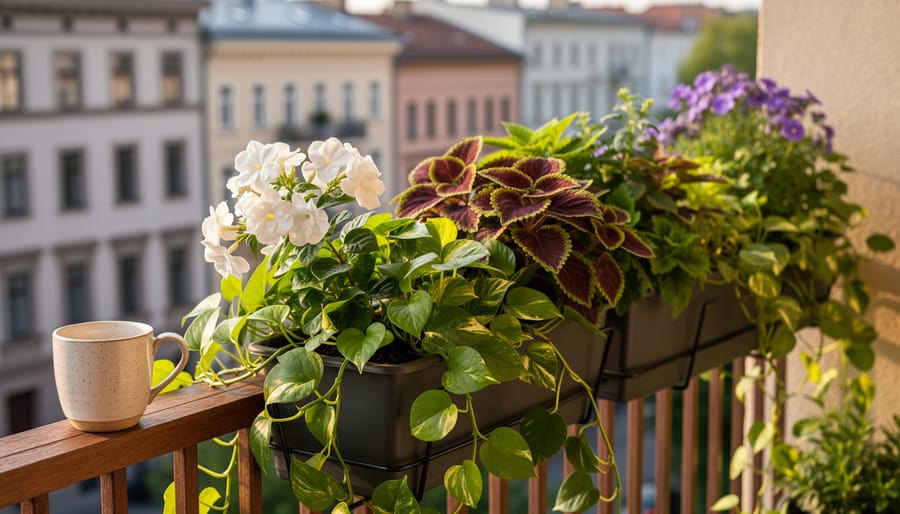
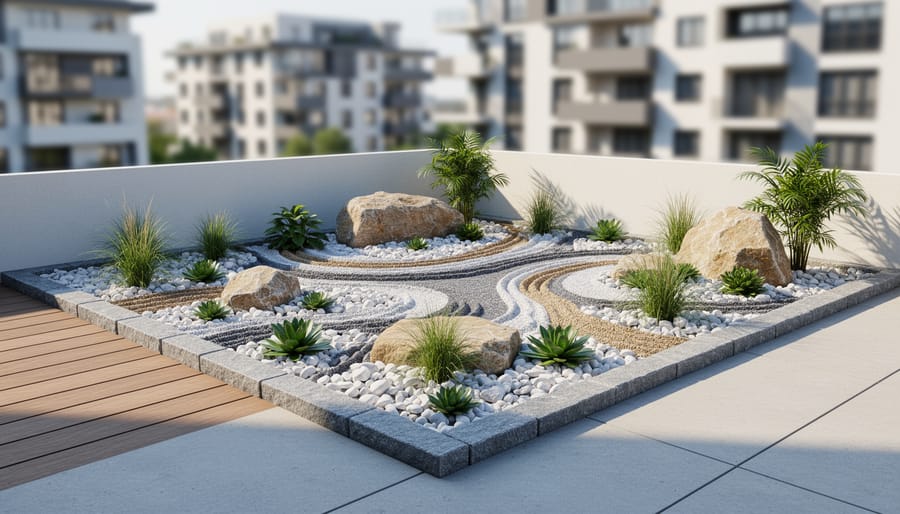
For design-minded gardeners, the plot itself becomes a canvas where color palettes, textural contrasts, and architectural forms matter as much as plant health. You’re thinking about how silver-gray artemisia plays against deep burgundy heuchera, or how a cascade of trailing jasmine softens hard balcony railings. Every element, from pot finishes to foliage shapes, serves the overall composition.
This philosophy shines in vertical and container gardens where space limitations demand intentional choices. Instead of cramming in whatever fits, you curate a cohesive look: maybe all terracotta pots with warm-toned blooms, or a minimalist palette of greens and whites climbing a trellis. Seasonal rotations become opportunities to refresh the display, swapping spent annuals for new textures that maintain your visual theme throughout Austin’s long growing season.
Productive and Edible-First Approaches
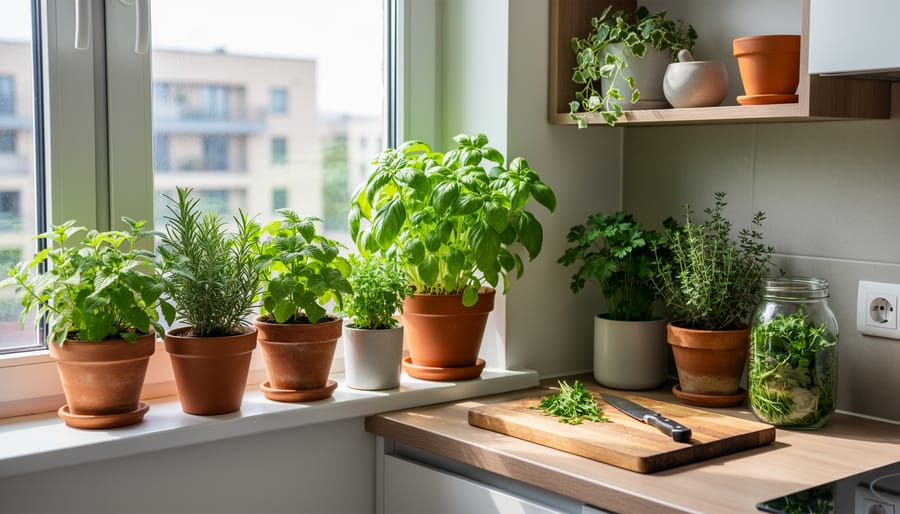
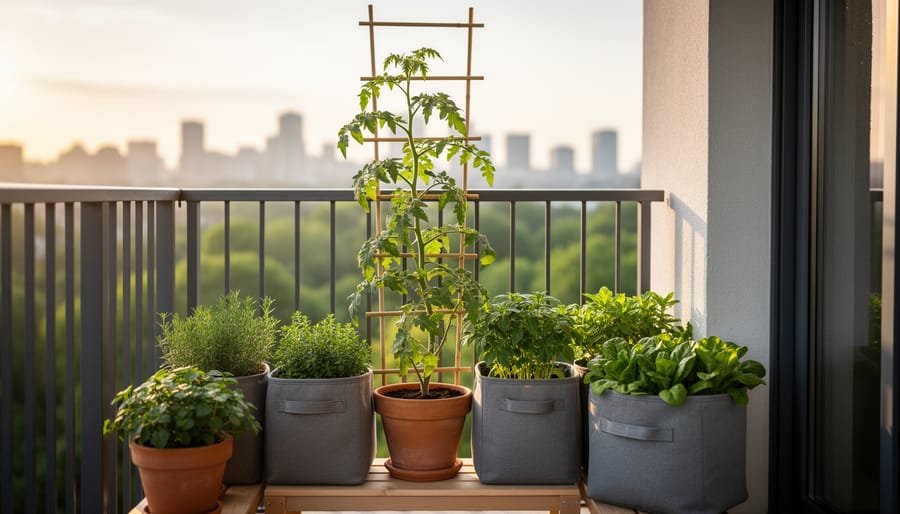
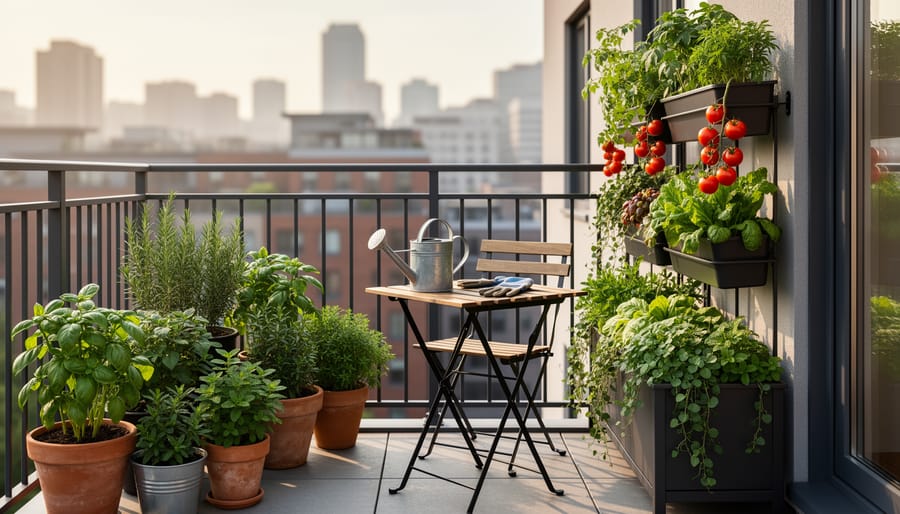
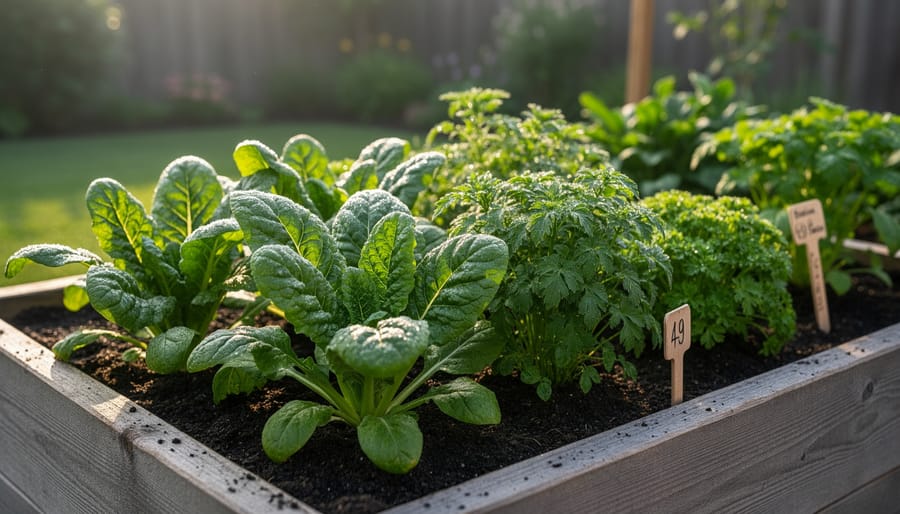
For gardeners who measure success in harvests rather than blooms, the edible-first philosophy prioritizes producing food above everything else. This approach treats every square inch as potential growing space, vertical trellises support pole beans and cucumbers, containers line balcony railings with cherry tomatoes and peppers, and even ornamental spots get replaced with productive herbs.
In Austin’s climate, this means focusing on heat-tolerant crops that deliver quick returns: jalapeños, basil, cherry tomatoes, and okra thrive through our long summers. Succession planting keeps harvests coming, while compact varieties bred for containers maximize yield without requiring yard space. The philosophy is straightforward: if it doesn’t feed you, it probably doesn’t earn its spot.
Experimental and Learning-Oriented
This philosophy treats every planting as a potential lesson rather than a guaranteed success. You might test unfamiliar herbs in one container, compare two watering schedules side-by-side, or experiment with companion planting combinations you’ve never tried. Failures become data points that inform your next attempt. It’s perfect for urban gardeners in Austin who want to discover what actually works in their specific microclimate without following prescribed formulas.
How to Apply Your Philosophy to Urban Gardening
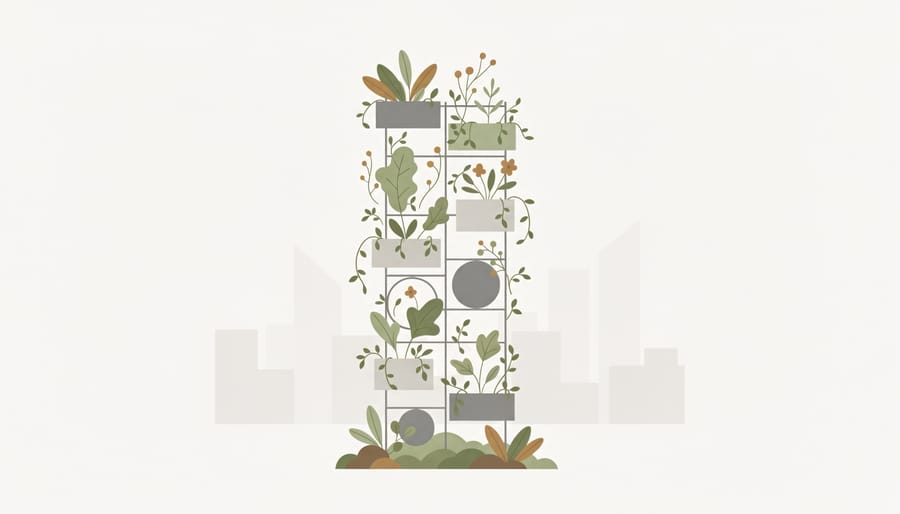
Once you’ve identified your core gardening philosophy, the next step is translating those principles into actual decisions for your Austin urban space. The key is letting your values drive every choice, from the containers you buy to the plants you select.
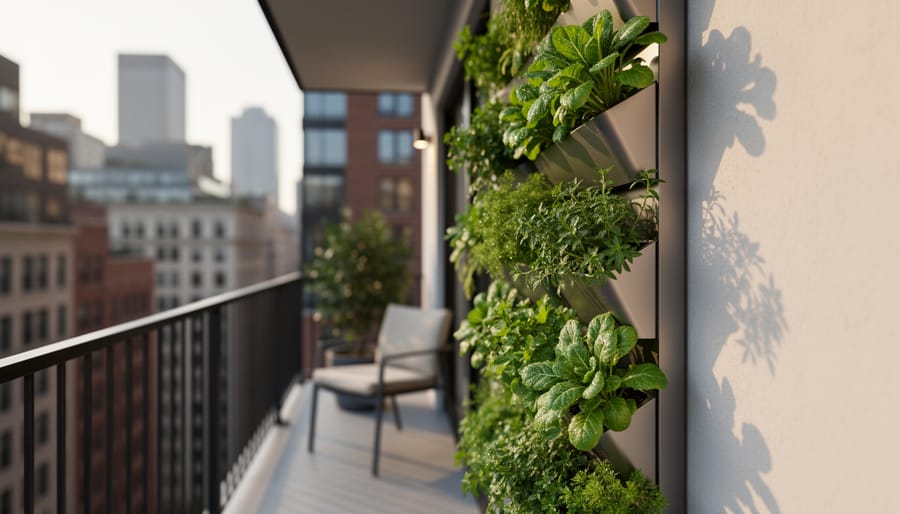
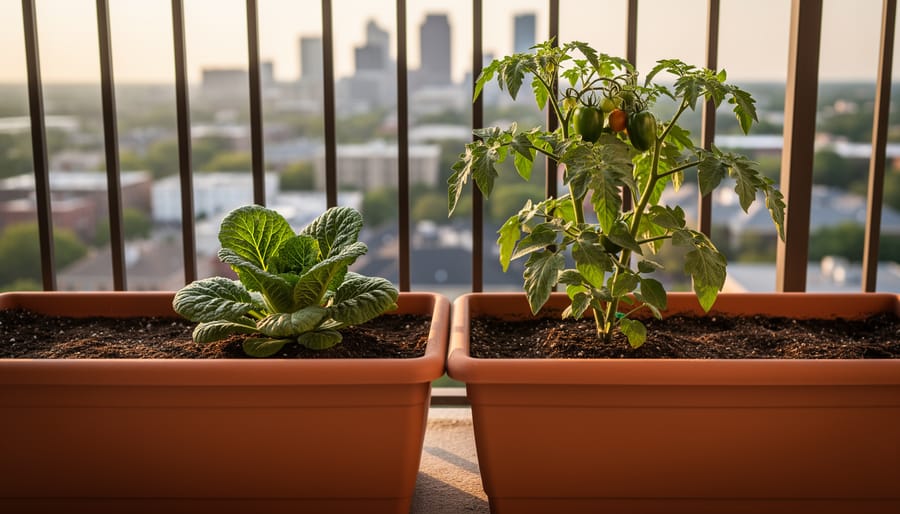
Start with your available space and let your philosophy shape how you use it. If you’re working with a balcony and follow a sustainable approach, prioritize native Texas plants in recycled containers with built-in water reservoirs. A productive philosophy on the same balcony might mean installing vertical growing systems for herbs and tomatoes, maximizing every inch for edibles.
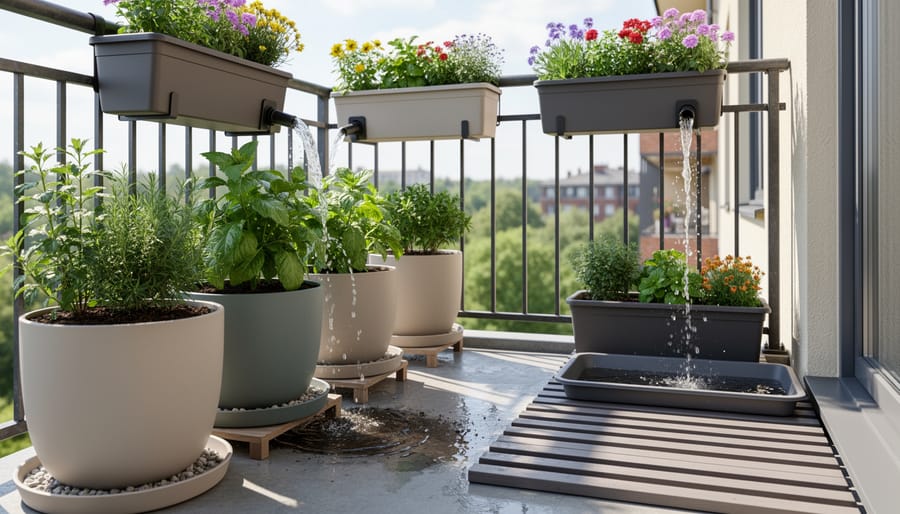
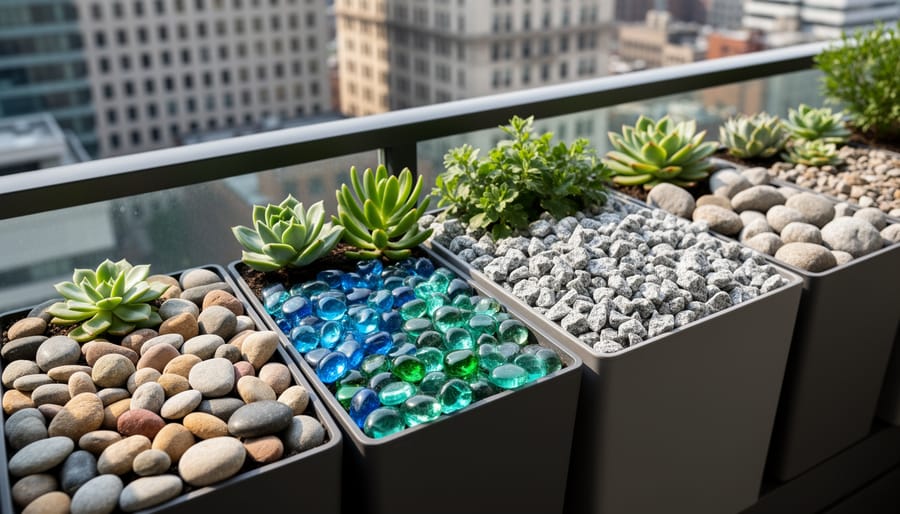
Container selection offers a perfect example of philosophy in action. Low-maintenance gardeners choose self-watering pots that reduce daily care, while aesthetic-focused gardeners might invest in matching ceramic planters that create visual harmony. Those with experimental philosophies often mix container types to test which materials handle Austin’s summer heat best.
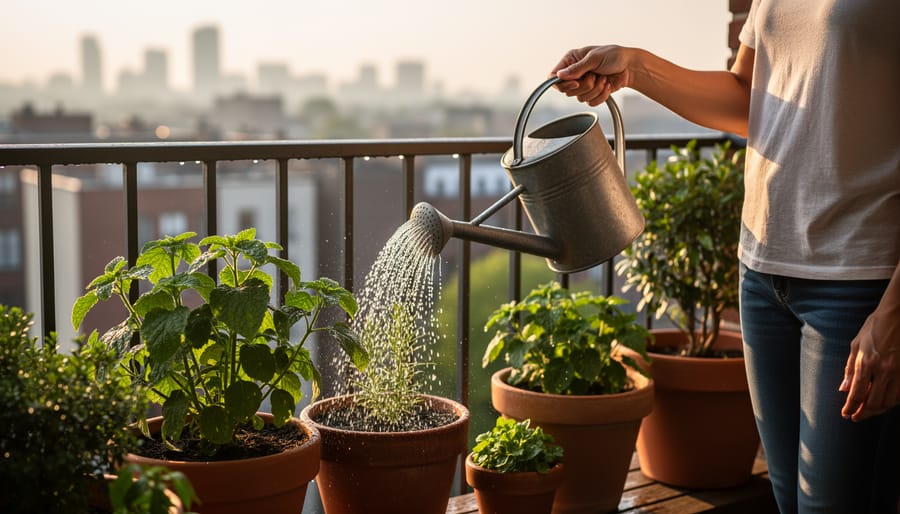
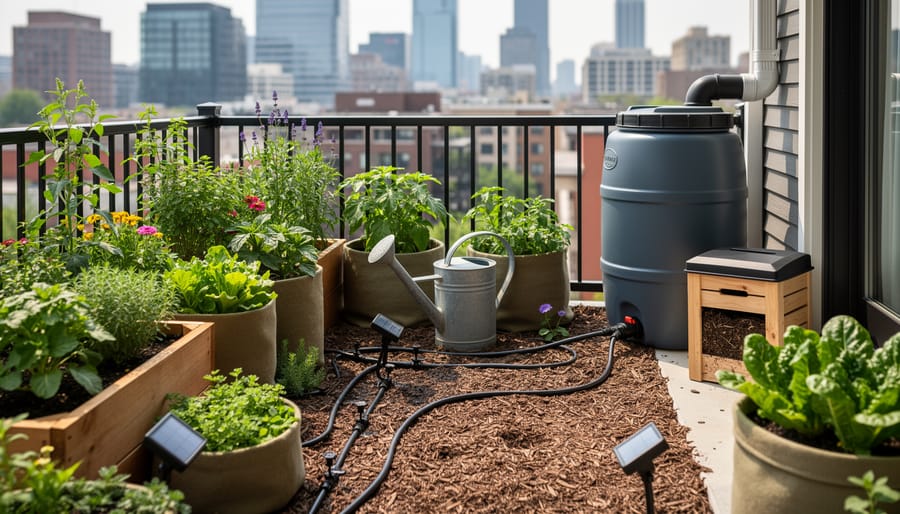
Your watering system should reflect your approach too. Sustainable gardeners typically install drip irrigation or soaker hoses to minimize water waste, crucial during Austin’s dry spells. If convenience drives your philosophy, a simple timer-controlled system keeps plants healthy without daily attention.
Plant selection becomes straightforward once you know your philosophy. Wildlife-friendly approaches mean choosing native flowering plants that attract pollinators, even in small spaces. Aesthetic philosophies might focus on foliage texture and color combinations that work well with small-space garden trends. Productive gardeners prioritize compact vegetable varieties and herbs that deliver the highest yield per square foot.
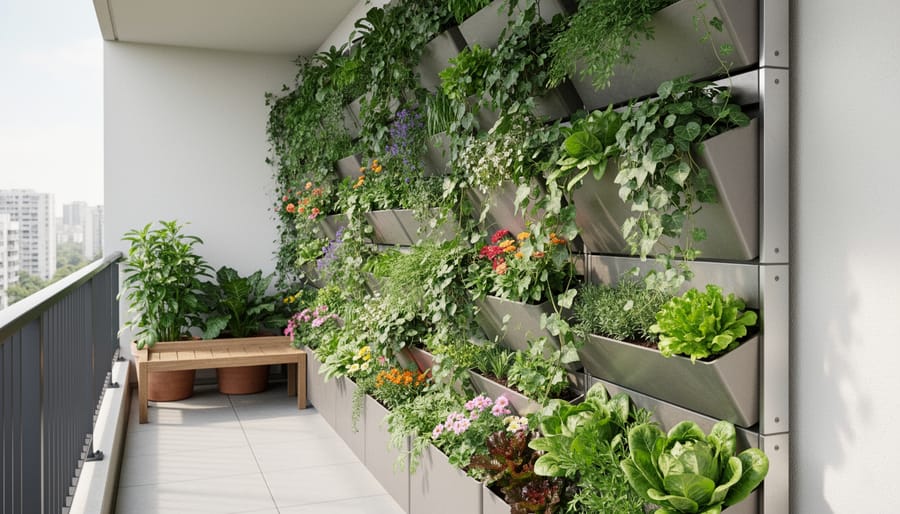
Layout decisions follow naturally from your guiding principles. A low-maintenance approach groups plants with similar water and sun needs for easier care. An experimental philosophy might dedicate one corner to trial plants while keeping proven performers elsewhere. Vertical gardens suit nearly every philosophy, but the structure and plant choices vary wildly based on whether you’re prioritizing aesthetics, production, or wildlife habitat.
Building Your Personal Gardening Approach
Your gardening philosophy should fit your life, not the other way around. Start by taking honest inventory of what you’re working with: how much space you have, how many hours per week you can realistically spend maintaining plants, and what your budget allows. A tiny balcony with afternoon shade demands different thinking than a sunny backyard, and weekends-only attention shapes your choices differently than daily care.
Ask yourself what parts of gardening excite you versus what feels like obligation. If you love the visual reward but dread pest management, lean toward low-maintenance natives. If harvesting your own lettuce brings satisfaction but ornamental deadheading bores you, prioritize edibles. Your philosophy should amplify what you enjoy.
Consider Austin’s specific realities, summer heat, occasional hard freezes, water costs, and limited rainfall. A philosophy that ignores these factors creates frustration, no matter how beautiful it sounds in theory. Match your ideals to your Zone 8b conditions.
Write down three core principles that matter most to you. Maybe it’s “grow food efficiently,” “create habitat for pollinators,” and “keep watering simple.” Use these as your filter when choosing plants, products, or projects. When something doesn’t align with at least two of your principles, skip it.
Your approach will shift as you gain experience and your circumstances change. That’s normal. The goal isn’t perfection, it’s creating a framework that makes decisions clearer and gardening more satisfying rather than overwhelming.
Common Questions About Gardening Philosophy
Can you mix different gardening philosophies?
Absolutely. Most gardeners blend elements from multiple approaches, like combining low-maintenance principles with productive edible growing. Your philosophy should serve you, not constrain you.
Do I need a philosophy to be a successful gardener?
No, but having one makes decisions easier. Without guiding principles, you’ll spend more time second-guessing plant choices and garden changes. A loose framework beats analysis paralysis.
How do I know if my approach is working?
Ask yourself if gardening feels manageable and enjoyable. If you’re constantly stressed, frustrated, or abandoning projects, your philosophy might not match your reality. Good philosophies reduce friction.
What if my philosophy conflicts with Austin’s climate?
Adapt it. If you love lush greenery but live in a drought-prone area, shift toward native Texas plants that offer texture and color without constant water. Your philosophy evolves as you learn what thrives here.
Your approach will naturally shift as you gain experience. First-year gardeners often start with ambitious productive goals, then dial back to low-maintenance once they realize how Texas summers work. That’s progress, not failure.
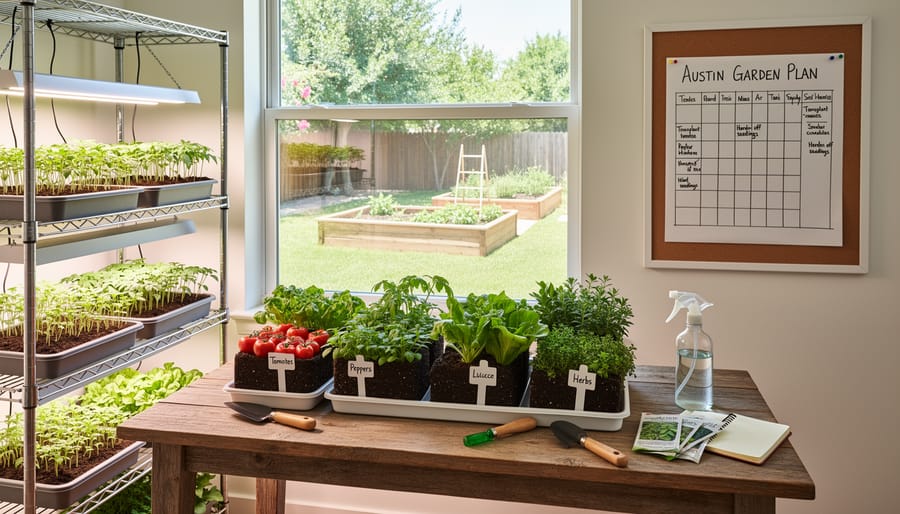
Small urban spaces actually make it easier to define your philosophy because limitations force clarity. A balcony garden can’t be everything, so you’ll quickly figure out whether you prioritize herbs for cooking, flowers for pollinators, or simply greenery that survives your schedule. Setting up dedicated potting station ideas helps clarify which activities you’ll actually maintain versus which sound appealing but gather dust.
If you’re starting out, don’t overthink it. Pick one or two principles that resonate, maybe “I want edibles” and “I can’t water daily”, then make choices that honor both. Your philosophy will sharpen through practice.
Your gardening philosophy doesn’t need to be complicated or perfect from day one. It’s simply your personal framework for making choices that align with what matters to you and what works in your space. Whether you’re working with a sunny balcony, a shaded patio, or a small backyard in Austin, having that clarity makes every decision, from choosing drought-tolerant plants to setting up a vertical garden, feel less overwhelming and more intentional.
Start small. Pick one or two principles that resonate with you, try them out, and see how they feel. Your approach will naturally evolve as you learn what thrives in Austin’s heat, what fits your schedule, and what brings you the most joy. There’s no wrong way to develop your gardening mindset.
If you’re just starting out and want hands-on guidance, check out beginner gardening classes to learn techniques that match your chosen philosophy. Keep exploring our blog for practical tips tailored to urban gardens, vertical solutions, and sustainable practices that work right here in central Texas. Your garden, your rules, make them count.