Header Image - Gardens Austin Designers

Category Archives

17 Articles

Rocks for Gardening That Actually Transform Your Urban Space

Rocks for Gardening That Actually Transform Your Urban Space

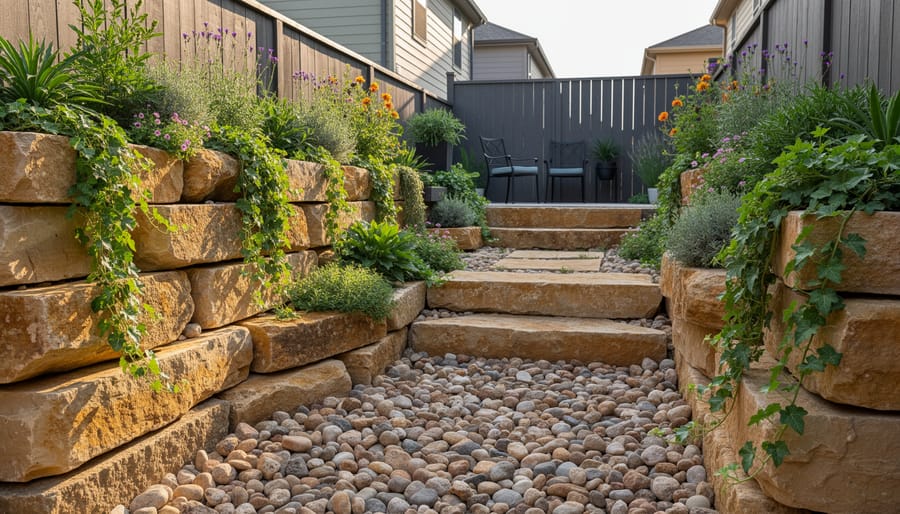
Rocks transform ordinary garden beds into water-wise showcases that thrive in Austin’s challenging climate. Whether you’re covering bare soil around container plants on your balcony or designing a full-scale xeriscaped yard, the right rocks reduce maintenance while adding texture and visual interest that complements the garden trends taking root across Central Texas.

The practical benefits go beyond aesthetics. Rocks suppress weeds by blocking sunlight, retain soil moisture during our brutal summer months, and prevent erosion during sudden downpours. For vertical gardeners working with limited square footage, rocks anchored at the base of wall planters or tower systems stabilize structures and improve drainage.

Choosing the right rock type matters more than most beginners realize. River rock, decomposed granite, and limestone each serve different purposes and price points in 2026. Your selection depends on whether you need ground cover, decorative accents, or functional drainage solutions. This guide walks you through specific rock types available locally, current pricing from Austin suppliers, and step-by-step techniques for installation that won’t break your back or your budget.
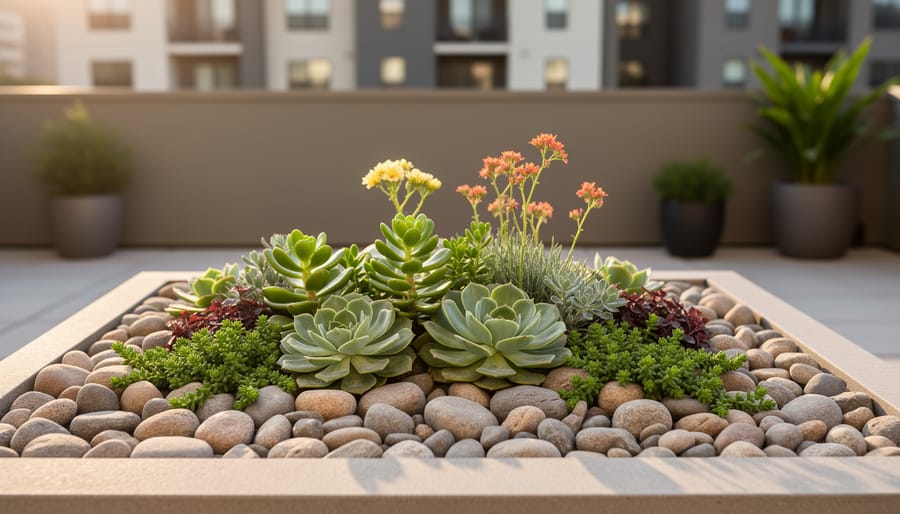
River rocks edging a planter with drought-tolerant succulents on an Austin apartment patio
A neatly edged rock garden on an urban patio shows how decorative stones can instantly elevate a small space while keeping maintenance low.

Why Austin Gardeners Are Choosing Rocks Right Now

Austin’s water restrictions aren’t going away, and that’s exactly why rocks have become the go-to solution for gardens across the city in 2026. When you can only water once a week during summer months, traditional mulch dries out and blows away, but a layer of river rocks stays put, helps retain soil moisture and never needs replacing.

The heat is another factor. Austin’s scorching summers mean your garden needs materials that can handle triple-digit temperatures without breaking down. Rocks actually reflect heat away from plant roots during peak afternoon sun, unlike dark mulch that absorbs and radiates warmth. For balcony and patio gardeners dealing with concrete surfaces that turn into ovens, a layer of light-colored stones can drop container temperatures by several degrees.

Space constraints make rocks even more practical. When you’re working with a 4×6 foot balcony or a narrow side yard, you can’t afford materials that decompose, attract pests, or need constant refreshing. Rocks give you a clean, permanent solution that lets you focus on growing plants instead of maintaining your growing medium. You buy them once, arrange them, and they’re done, no seasonal replacement, no mess, no fuss. That simplicity matters when you’re juggling urban gardening with everything else.

Types of Rocks for Gardening (And What Each One Does Best)

River Rocks: The Versatile Workhorse

River rocks are the budget-friendly staple you’ll see in most Austin gardens, and for good reason. A 30-pound bag of 1-1/2 inch decorative river rocks currently runs about $12.62, making them accessible for projects of any size. These smooth stones work beautifully as a 2-3 inch drainage layer at the bottom of containers, preventing waterlogged roots in our heavy clay soil. As top dressing, they lock in moisture during our brutal summers while creating a clean, finished look around plants. Smaller river rocks (1-3 inch sizes) are perfect for lining vertical garden planters or creating simple walkways between raised beds. The natural variation in earth tones means they blend seamlessly with almost any plant palette, while their rounded edges won’t damage roots or hands during planting. Unlike sharp gravel, river rocks are comfortable to work with and won’t puncture landscape fabric.
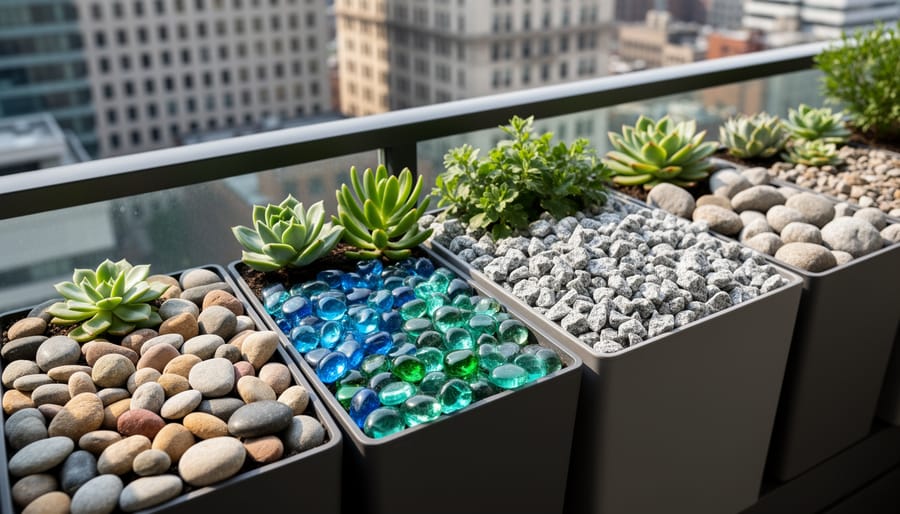
Assorted gardening rocks in three patio planters: river rocks, glass stones, and granite
Different rock types, river stones, glass stones, and granite, create distinct looks while supporting practical planting needs in small urban containers.

Glass Stones for Visual Impact

Glass stones bring color and shimmer to urban gardens where space is tight and every detail counts. Available in 3 to 18-pound bags, these translucent rocks catch sunlight and create striking focal points in container arrangements and wall-mounted planters.

Use them as top dressing in pots to add visual interest while suppressing weeds, particularly effective in vertical garden pockets where the glass reflects light upward. They work beautifully mixed with river rocks or layered on their own in clear glass containers, where you can see the drainage stones through the sides.

In small Austin balconies or patios, a single container filled with glass stones and a dramatic succulent becomes an instant statement piece. Choose darker colors for heat-absorbing properties in winter containers, or clear and light blues to keep soil cooler during summer months.

Decorative Stones for Specialized Uses

Specialty rocks excel in projects that cross the indoor-outdoor boundary, think enclosed terrariums, aquascapes, and container gardens you can move between your balcony and living room. Granite and river rock sold in 1-3 inch sizes work particularly well for aquariums and terrariums because they’re inert and won’t alter pH levels, which matters when you’re housing plants (or fish) in closed systems.

For apartment gardeners juggling limited outdoor space, these specialty rocks solve multiple problems at once. Use polished granite pieces in large indoor planters near windows, then move the same containers outside during mild Austin evenings. The rocks provide drainage while adding visual weight that keeps tall plants stable without eating up precious soil volume.

Smaller decorative stones also shine in miniature landscape projects. Layer different textures, smooth river stones as a base, then accent with a few angular granite pieces, to create depth in shallow dishes or wall-mounted planters. Since Austin apartments often lack yard access, these tabletop and vertical applications let you build complete garden scenes in spaces smaller than a coffee table.

Smart Ways to Use Rocks in Your Garden Layout

Vertical Garden Rock Integration

Vertical gardens need a solid foundation, and rocks solve three key problems at once. Start with a one to two inch layer of river rocks at the bottom of your wall-mounted planters for drainage. Those $12.62 river rock bags work perfectly here because the 1-1/2 inch size creates air pockets that prevent root rot while adding enough weight to keep lightweight planters stable in Austin’s occasional strong winds.

For decorative impact in visible vertical setups, use glass stones as top dressing. The 3-18 LB glass stone packages give you enough material to create visual interest across multiple wall pockets without breaking your budget. Mix dark river rocks with lighter glass stones to create contrast that makes your plants pop against brick or stucco walls.

The weight factor matters more than most urban gardeners realize. Wall-mounted fabric planters and hanging pocket systems can swing or sag when they’re too light. Adding rocks to the bottom third of each pocket creates stability without the excessive weight that would strain your mounting hardware. Just calculate first: a two-inch rock layer in a 6-inch wide pocket adds about one pound, which most vertical garden systems handle easily.
Vertical wall planter using decorative rocks as a top layer and base for stability
Rock-enhanced vertical planting adds stability and visual depth, making small Austin spaces feel fuller and more intentional.

Container and Planter Rock Techniques

The secret to successful container gardening with rocks starts at the bottom. Layer 1-2 inches of river rocks (the 1-3 inch decorative stones work perfectly) as your drainage foundation before adding soil. This prevents waterlogged roots and creates air pockets that help plants thrive, especially when you grow indoors or on covered patios where drainage matters most.

For top dressing, add a half-inch to one-inch layer of smaller river rocks or dark decorative stones over your soil surface. This simple technique cuts water evaporation by up to 30% in Austin’s scorching summers, meaning you’ll water less frequently. It also blocks weed growth and gives containers a polished, intentional look. The Dark River Rocks available for around $11.59 cover several medium-sized planters and stay put during storms, unlike mulch that blows away.

Size your rocks to your container. Small 4-6 inch pots need pea gravel or glass stones (available in 3-18 LB sizes), while larger planters can handle the standard 1-2 inch river rocks. Leave a half-inch gap between your rock layer and the container rim so water doesn’t run off before soaking in. Replace or rinse your top dressing rocks annually to keep them looking fresh and prevent salt buildup from tap water.

What to Buy and Where to Find It

Shopping for rocks in 2026 is easier than ever, with solid options online and right here in Austin. TikTok Shop has become a surprisingly reliable source, you’ll find 30-pound bags of 1-1/2 inch river rocks for around $12.62, perfect for walkways and container gardens. For smaller projects, top dressing dark river rocks run about $11.59. Etsy remains a go-to for specialty stones, particularly if you’re looking for 1-3 inch decorative river rocks sized for terrariums or aquariums.

Tip: For a one-inch layer of coverage, you’ll need roughly 100 pounds of rocks per 10 square feet, multiply your garden bed dimensions to avoid over-ordering.

Locally, Austin garden centers typically stock river rocks and granite in bulk, letting you see colors and textures before buying. When shopping, check the size range on the label (it matters more than you’d think for drainage versus aesthetics) and compare price per pound rather than per bag. Glass stones come in 3-18 pound packages, ideal for accent spots without committing to bulk quantities. Start with a small bag for your first project, you can always add more once you see how the color works with your plants and containers.

Rock Gardening Mistakes Austin Gardeners Should Avoid

Austin’s unique climate and urban constraints make certain rock garden mistakes especially costly. Here’s what to watch for.

Skipping drainage prep is the fastest way to kill your plants. Dumping rocks directly onto compacted soil creates a waterlogged layer that rots roots, even with drought-tolerant varieties. Before placing those $12.62 river rocks, dig down two inches and mix in compost or sand to improve water flow through the root zone.

Oversizing rocks in small spaces overwhelms the design. Those beautiful 3-inch river stones look stunning in photos but devour visual real estate in a 12-inch container. For balcony planters and vertical gardens, stick with 1-inch stones that provide texture without dominating. Save the larger rocks for ground-level beds where they won’t feel crowded.

Austin’s intense summer sun turns dark rocks into radiant heaters. Black glass stones might catch your eye, but they’ll bake nearby plants in full-sun exposures. Choose lighter river rocks or position dark decorative stones where they get afternoon shade. The heat reflection can push soil temperatures ten degrees higher than planted areas.

Landscape fabric seems logical but causes long-term headaches. While it suppresses weeds briefly it eventually traps debris, blocks water penetration, and creates a maintenance nightmare when it surfaces through rocks. For sustainable weed control that aligns with organic garden tips use a 3-inch rock layer directly over cardboard. The cardboard decomposes while smothering existing weeds, and the rock depth prevents new growth without the fabric’s drawbacks.

Maintaining Your Rock Garden Through Austin Seasons

Austin’s mild winters and scorching summers mean your rock garden needs different care than traditional landscapes, but the beauty is how little effort it actually takes.

Spring brings pollen and oak debris. A quick rinse with the garden hose every few weeks keeps rocks looking fresh without disturbing your plants. Check for any rocks that have shifted during winter rains and redistribute them where needed, especially around container edges where water flow might have moved them.

Summer heat is when rocks really earn their keep. The main task is watching for weeds trying to push through, pull them early while roots are shallow. If you used a weed barrier underneath, you’ll barely see any. Top-dress any thin spots where rocks have settled, particularly around plants that have grown since spring. This is also when you’ll want to keep plants alive by ensuring rocks aren’t piled against stems, which can trap heat and moisture.

Fall means clearing fallen leaves before they decompose and create soil pockets for weeds. A leaf blower works perfectly for this. Winter rarely requires attention beyond the occasional debris cleanup after storms.

The whole maintenance routine takes maybe 20 minutes monthly, which is exactly why rock gardens work so well for busy urban gardeners.

Starting your rock garden journey doesn’t require a complete landscape overhaul or a massive budget. Grab a bag of river rocks for under $13, choose a container that speaks to you, and spend an afternoon experimenting. Mix different textures, smooth river stones with angular granite, or add a pop of color with glass accents. Austin’s climate rewards these low-maintenance choices with year-round beauty and water savings that actually matter.

The best rock gardens grow organically. Start with one planter this weekend. Notice what works in your light conditions and how the rocks interact with your existing plants. Then expand. Try a vertical arrangement. Test different sizes. Swap out seasonal plantings while the rocks stay put, creating a reliable foundation that adapts to your evolving garden vision.

Gardening really does rock when you choose materials that fit your lifestyle, not someone else’s Pinterest board. Your urban space deserves solutions that look great and actually work in the Texas heat.

What Is A Stamped Deck On A Lawn Mower?

by thomas 0 Comments
What Is A Stamped Deck On A Lawn Mower?

When choosing a lawn mower deck, one of the critical components often overlooked is the mower deck. There are primarily two types—stamped decks and fabricated decks. Your choice can significantly affect not just the quality of your cut but also the mower’s durability and ease of use.

In this article, we delve into what is a stamped deck on a lawn mower and how it compares to fabricated mower decks. Also, you’ll learn which one might be the best fit for your garden care needs.

What Is a Stamped Deck on a Lawn Mower?

A stamped deck on a lawn mower is crafted through a unique process that uses a hydraulic press to shape a flat sheet of steel into a curved mowing deck.

This technique results in a single, continuous piece of metal, which minimizes the number of seams and welding points. Therefore, the stamped deck is lighter and more aerodynamic than its fabricated counterpart.

Due to its streamlined design, a stamped deck often provides better airflow, resulting in a more even cut when mowing your lawn.

Because of these attributes, stamped decks are commonly used in residential lawnmowers, tailored for more straightforward mowing tasks and smaller lawns. Their lighter weight makes them easier to maneuver. And their typically lower cost makes them a budget-friendly choice for homeowners who love to use power tools in their gardens.

What Is A Fabricated Mower Deck?

In contrast, a fabricated mower deck is constructed from multiple pieces of thick, heavy-duty steel welded together, forming a robust and durable structure.

Unlike stamped decks, which are molded into shape, fabricated decks are engineered for resilience. This sturdiness makes them well-suited for tackling challenging mowing conditions like uneven terrain, tall grass, and even small debris.

Because they are built to last and endure tougher conditions, fabricated decks are often the go-to choice for commercial mowers and professional landscaping equipment. Their heavier build may require more power. But the trade-off is a machine built to last and perform reliably under strenuous conditions.

Advantages of a Stamped Deck

The choice between stamped and fabricated mower decks often boils down to specific needs and situations. When looking at stamped decks, there are several clear advantages worth considering:

Cost-Effectiveness

Stamped decks are generally less expensive than fabricated decks. This is because they are made from a single sheet of metal pressed into shape. Thus, they require less labor and material than fabricated mower decks, which involve welding multiple pieces together.

Weight and Maneuverability

One of the key benefits of a stamped deck mower is its lightweight nature. The lighter weight allows for better maneuverability. This feature makes it easier for homeowners to navigate their lawns, especially if it’s relatively flat. This contrasts sharply with fabricated deck mowers, which are considerably heavier.

Optimized Airflow

Stamped decks are designed to allow for more efficient airflow beneath the mower deck. This results in a cleaner, even cut, especially when mowing simple lawns with few obstacles. Fabricated decks, while durable, may not offer the same kind of fluid aerodynamics as stamped mower decks.

Ease of Maintenance

Maintaining a stamped deck is generally easier than caring for a fabricated deck. And why is that? That’s because stamped decks have fewer crevices and seams where grass and debris get stuck. Less complexity means less time spent cleaning and more time enjoying your well-manicured lawn.

Residential Use

Stamped decks are commonly found on residential lawn mowers, designed for homeowners who need a reliable and efficient machine for regular lawn care. But these users don’t require the ruggedness of a fabricated deck.

Advantages of Fabricated Decks

The conversation about mower decks often pits stamped vs. fabricated options against each other. While stamped deck mowers have their place, particularly in residential settings, fabricated deck mowers offer their own set of unique advantages:

Durability

One of the most significant benefits of a fabricated deck lawn mower is its enhanced durability. These decks are crafted from multiple pieces of heavy-duty steel welded together. This makes them well-suited for tackling a variety of terrains and cutting conditions. Such usage might wear out stamped deck mowers faster.

Precision and Versatility

Fabricated deck mowers have maximum cutting precision. Thanks to their robust construction, they easily handle tall, thick, or wet grass, boasting versatility not typically found in stamped deck mowers.

Commercial and Heavy-Duty Use

They are a common feature on commercial lawnmowers due to their durability and ability to handle demanding mowing tasks. If you own or manage large properties or are in the lawn care business, a fabricated deck mower is almost necessary.

Long-Term Value

While fabricated deck mowers are more expensive up front, their long-lasting construction often requires less frequent repairs or replacements than stamped deck mowers. So, they are more cost-effective in the long run, especially for those using their lawnmowers extensively.=

Which Is the Best? Stamped vs. Fabricated

When choosing between stamped and fabricated decks, these factors will ultimately guide your choice between a stamped deck lawn mower and a fabricated deck.

Purpose and Use

Stamped deck mowers are generally better suited for relatively flat residential lawns. Moreover, they are free of significant obstacles. On the other hand, fabricated decks are commonly found in commercial mowers. They are structured to handle challenging terrains and professional mowing tasks.

Durability

As previously mentioned, the robustness of fabricated decks makes them ideal for heavy-duty use. If you’re in the market for a machine that can withstand more wear and tear, opt for a fabricated deck.

Mowing Quality

Both decks afford a high-quality cut, but their performances vary based on the conditions. A stamped deck is often better for achieving an even cut on flat terrains due to its optimized airflow.

Conversely, the fabricated deck’s robust construction allows it to handle diverse mowing conditions more effectively, from tall grass to damp conditions.

Weight and Maneuverability

Stamped deck mowers are generally lighter, making them easier to operate and navigate around a lawn. This is an essential consideration if ease of use and quick maneuverability are priorities for you.

Cost Factor

Stamped decks are usually less expensive regarding initial purchase price and maintenance. However, if you consider the mower a long-term investment, especially for commercial use, fabricated decks offer better value over time.

Commercial vs. Residential

As noted, stamped decks are common in residential mowers, while fabricated decks are a staple in commercial mowers. The durability and versatility of fabricated lawn mower decks make them more suitable for the rigorous demands of commercial mowing.

Choice of Mowing Deck

Ultimately, your needs will dictate whether a stamped or fabricated mowing deck is more appropriate. Whether it’s the complexity of your lawn, the frequency of use, or your professional requirements. Both stamped and fabricated decks have merits and drawbacks, so weigh your options.

Practical Implications for Lawn Mowers

Both stamped and fabricated decks have practical implications for the types of lawnmowers they are usually found on.

Stamped decks are often on residential, less expensive mowers, while fabricated decks are generally part of high-end or commercial mowers.

When considering lawnmowers with either of these decks, think about your specific organic garden care needs. This includes the complexity of your lawn and how frequently you’ll be using the mower.

Man using lawn mower

Should You Choose a Fabricated or Stamped Deck?

After considering all the factors, choosing between a fabricated or stamped deck hinges on your needs and how you intend to use the mower.

For homeowners who need to maintain a small to medium-sized lawn with minimal complexity, stamped deck mowers are sufficient. Their lighter weight and lower cost make them popular for residential settings.

Conversely, if you are a landscaping professional or have a large property with varying terrain types, fabricated deck mowers boast the durability and precision you’ll likely require.

These mowers work for heavy-duty use and have a longer lifespan, particularly under strenuous conditions.

Final Thoughts

Understanding the difference between stamped and fabricated decks significantly impacts lawn maintenance activities.

Both types have pros and cons. But your specific requirements—whether you are a homeowner with a small yard or a professional landscaper—will ultimately dictate your best choice.

Whether you opt for a lawn mower with a stamped deck or a fabricated one, consider the initial purchase price and the long-term costs. Don’t forget to factor in the maintenance and potential repairs.

Remember, a more expensive, heavy-duty fabricated deck mower could be more cost-effective in the long run, especially for commercial mowers with a lot of use. And there you have it—an in-depth look at what is a stamped deck on a lawn mower. Remember to stay safe while mowing!

Things You Should Know About Using Generators in Your Garden

by thomas 0 Comments
Things You Should Know About Using Generators in Your Garden

Trimming your hedges or the edge of your lawn is usually done manually. However, it’s also common to see people relying on power tools to make the job faster and easier. Most of these power tools are powered via solar power, batteries, and petrol.

Generators can be useful during gardening, especially portable generators. Whether you want to work on a shed, on your car, or repair the fence, having easy access to electricity makes these tasks easier.

Depending on what you can afford, you can opt for either solar-powered portable DIY generators, a brand-new generating set, or a used one. It’s also advisable you have a separate generator for your garden to avoid having long power leads trailing back to your home.

This article will discuss how to use generators in your garden.

Power Tools

Making your own solar generator that’s small in size is the ideal option if are on a budget and you’ll be using only small power tools such as a sander, electric drill, saw, and others. It can also work for power tools such as lawnmowers, chainsaws, strimmers, and hedge trimmers.

Typically, the above-mentioned power tools consume less than 3 kilowatts, and a small solar-powered generator is capable of providing that.

For tradesmen or artisans using bigger power tools such as big-sized air compressors and brick saws, the go-to power source should be a portable generator of a bigger size.

Safety Precautions

Safety must be taken very seriously, especially regarding electricity or generators. Many deaths have been caused by carbon monoxide poisoning, which is from generators.

These deaths were caused by generators used in basements, porches, and garages. Unfortunately, these are all the right places for the toxic pollutant from the generator to gain access to the home.

Using gas generators comes with specific guidelines or safety tips that you should know before purchasing them. They are listed below:

  • Don’t risk running your generator in your garage, regardless of the doors are fully open or not. Carbon monoxide is a deadly pollutant, and it’s odorless, so you won’t even know you’re inhaling it.
  • Don’t risk running your generator in the rain. Instead, shield it with a tarpaulin or gazebo.
  • Don’t use old or worn-out extension cords because they can be dangerous. Also, don’t overload these cords by plugging in many devices.
  • Never connect your generator to your service panel because the excess current can move back up the power lines and may put utility workers in a dangerous situation.
  • Never attempt to refuel the tank of petrol-powered generators when the generator is running or off and still hot. Any slight spill of fuel coming in contact with a very hot generator part can trigger a sudden outburst of flames. It’s best if you let the generator cool off before you refuel.
  • Always keep your petrol in the appropriate containers meant for that purpose. Using a container not meant for storing petrol might result in a dangerous situation or accident.
  • Finally, ensure that your generator is well-maintained and serviced periodically to sustain optimal performance.

Tips For Your Organic Garden

by thomas 0 Comments
Tips For Your Organic Garden
Birds eye view of a woman gardener weeding an organic vegetable garden with a hand fork.

Whether you are already veteran gardeners or somebody new, there is always something unique and new to learn to make your gardening experience better. Today, we will share various tips that you can do to help you when it comes to improving your gardening skills.

Eggshell Pots

Many do not know that eggshells are rich in nutrients such as magnesium and calcium that can help plants to grow healthy. To use the shells, you can fill them with soil and put the seedlings.

Cooking Water

You will be surprised to know that cooking water can help to make your plants thrive. This gardening hack will not only add nutrition to the plants but also prevents you from wasting water. To do this method, just let the water cool down after boiling eggs or vegetables then use it. This acts as a fertilizer to the plant.

DIY Weed Killer

If you are not keen on using chemicals for your garden, Vinegar is the best ingredient that you should use. Vinegar will act as a multipurpose agent that deters pests, removes weeds, and helps nourish plants. To make this, just add a tablespoon of liquid soap in a gallon of vinegar that is mixed with one cup of salt. However, you should avoid using vinegar that is highly concentrated to keep your plants safe. It should be used every two weeks to kill the weed completely. Spray only in affected areas.

Coffee Grounds

Plants also need caffeine, not to wake them up but to have better growth. Coffee grounds are used on the soil as a fertilizer for better moisture and also attracts earthworms. You can either use an unused or used coffee ground depending on the plant that you plan on growing.

Grow Your Vegetables Indoors This Winter

by thomas 0 Comments
Grow Your Vegetables Indoors This Winter
Selection of fresh vegetables in metal wire basket

Are you wondering if it is possible to grow your own vegetables this winter? With the right attention and care, you can definitely do that. If you have limited room but are really eager to grow your own green, just find a sunny area and you are good to go.

The plants where leaves are used are usually better when grown indoors than fruit-bearing plants. A vegetable garden indoors may sometimes have the impression that it is an exhausting task. The simplest way to do this is to start little and expand gradually as you continue.

Starting with salad greens and herbs is a good idea as they are easier to manage. For this reason, it is a wise idea to get a growing light as it helps to grow your vegetables indoors. Get your garden to grow, take advantage of your greens, and inspire others with the skill that you acquired.

Winter season does not have to hinder you from starting your own vegetable garden, starting one will not only allow you to keep yourself busy during the gloomy days, but it will also nourish you and your family by having fresh produce. Also, you will be able to save up money during the process.

How to Keep Your Plants Alive

by thomas 0 Comments
How to Keep Your Plants Alive

Gardening is not really a challenging task to finish but it takes time and skill to do it correctly. If you always panic upon seeing brown spots on your plants, we are here to tell you that it is normal, especially if you are just starting out in gardening. Today, we will discuss some points that you should follow to keep your plants alive.

Know The Plant That You Have

Make an effort by researching what kind of climate it thrives to prevent it from dying, don’t just learn the plant’s name. Let’s be honest, most plant owners just purchase their plants because it’s pretty but they don’t know if it really is compatible with their weather. If you are not sure what to do, seek the help of a garden expert to assist you in selecting the right plant and how to grow it.

Pick The Right Soil And Fertilizer

After knowing the right plant for your garden the next thing to do is to find the right soil and fertilizer. Sometimes, regular soil is not beneficial for the garden, especially if you are growing a vegetable. Also, picking the right fertilizer is also essential. Imagine giving the wrong food to a baby, this means that they will not be nourished well.

New Garden Trends This 2020

by thomas 0 Comments
New Garden Trends This 2020

Every year, trends always find a way to change the game, may it be in fashion or gardening. Because of this, new ideas in gardening are coming out for people to have a better gardening experience. Here in this article, we will discuss various gardening trends that 2020 has to offer.

  1. Urban Gardening

This type of gardening has acquired a following throughout the years for being adaptable even when you are living in a small space. this allows people to do container and vertical gardening. Because most of the younger generation today choose to have a better lifestyle they wanted to find out what urban gardening benefits are and they were not disappointed. Still, it will continue as a trend, especially for plant lovers that have a smaller living space.

  1. Grow Your Own Vegetables

We all know that the majority of food companies are quiet about what they really put in our food. Vegetables that you buy in the market, for example, may have different chemicals in it that can disrupt our hormones or damage our bodies. For this reason, more people are adopting the trend of growing their own vegetables to make sure that they are eating clean produce.

  1. Smart Gardening Tools

Every year, innovation makes everything much simpler and easier. Garden-friendly tech gadgets are already in and this allowed gardeners to check the humidity of soil to the health of plants, ensuring that they are growing the right way. Not only that, there are other smart tools that you can get with outstanding features to keep your gardening needs in check.