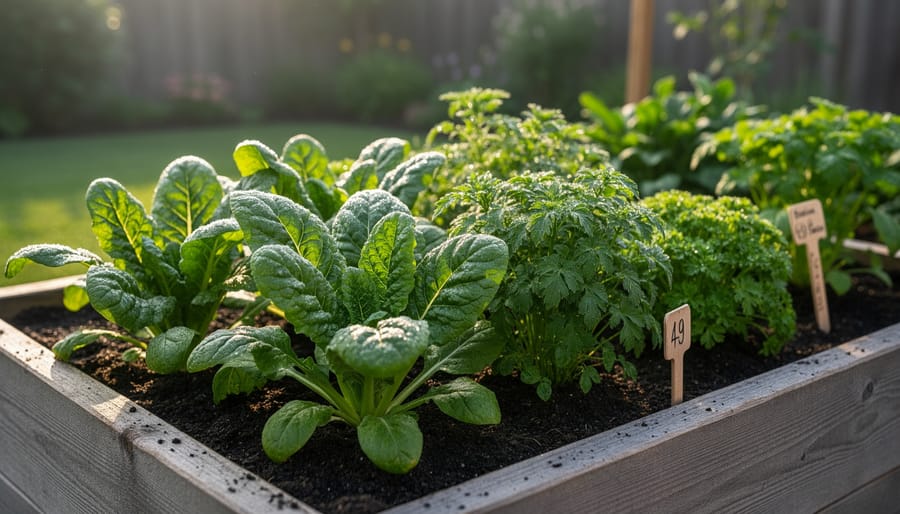
Finding Your Austin Gardening Zone (And Why It Matters for Indoor Veggies)
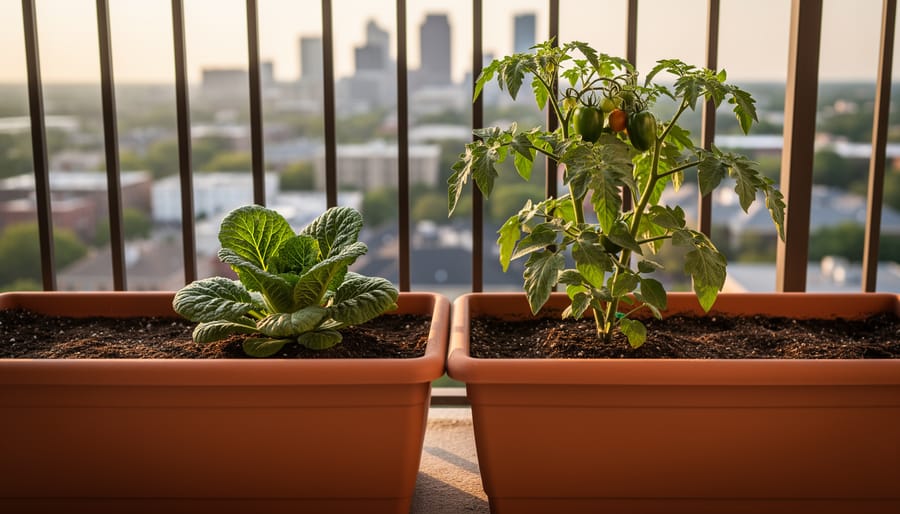
Your gardening success in Austin starts with one number: your USDA hardiness zone. Here in the Live Music Capital, we sit right on the boundary between zones 8b and 9a, which means our growing season stretches longer than most of the country and our last frost typically arrives in late February.
Check your exact zone by entering your zip code into the USDA’s Plant Hardiness Zone Map at planthardiness.ars.usda.gov. The tool pinpoints your location and shows whether you’re in the slightly cooler 8b (with winter lows of 15-20°F) or the warmer 9a (20-25°F). Most of central Austin falls into 9a, while northern suburbs often register as 8b.
Understanding your zone matters because it tells you which plants will survive our winters and thrive in our notorious summer heat. When you see a plant labeled “hardy to zone 8,” you know it’ll handle our occasional freezes. This knowledge prevents wasted money on plants that won’t make it past December.
For apartment dwellers and urban gardeners, your zone determination gets even more interesting. Balconies on higher floors often act like mini microclimates, staying warmer than ground level. South-facing walls can push you half a zone warmer, which opens up exciting possibilities for heat-loving peppers and tomatoes in vertical growing systems.
The real power comes from combining zone knowledge with our unique Austin growing calendar. While traditional gardening guides suggest spring planting, we can actually grow vegetables nearly year-round if we choose zone-appropriate varieties and protect them during our brief cold snaps.
What Gardening Zones Actually Tell You
The USDA Plant Hardiness Zone Map is the standard gardeners across the country use to figure out which plants will survive winter in their area. It divides North America into zones based on average annual extreme minimum winter temperatures, essentially, how cold it gets in the worst winters. Each zone represents a 10-degree Fahrenheit range, and they’re further split into “a” and “b” half zones that narrow it down by another 5 degrees.
When the USDA unveiled the updated 2023 map it reflected 30 years of temperature data (1991-2020), making it more accurate than the previous 2012 version. This matters because many areas, including parts of Austin, shifted to slightly warmer zones. The system assigns USDA zones based on extreme minima so a zone 8b location sees winter lows between 15 and 20 degrees F, while zone 9a dips to 20-25 degrees F.
For practical gardening decisions, your zone tells you which perennials will come back year after year, when you can safely transplant indoor-started seedlings outside, and which vegetables need a head start indoors versus direct sowing. In Austin, where we sit in zones 8b and 9a, that means you can grow plants rated for those zones outdoors year-round. It also guides your frost date planning, knowing your zone helps you count backward to figure out when to start tomatoes, peppers, and other warm-season crops indoors so they’re ready to move outside after the last frost. The zone doesn’t dictate everything (soil, rainfall, and summer heat all matter), but it’s your starting point for matching plants to your climate.
How to Find Your Exact Gardening Zone
Finding your exact gardening zone takes less than a minute with the USDA’s online tool. Here’s how Austin gardeners can pinpoint their zone:
- Visit the USDA Plant Hardiness Zone Map at planthardiness.ars.usda.gov
- Locate the Quick Zip Code Search box on the homepage
- Enter your Austin ZIP code (like 78701 for downtown or 78745 for South Austin)
- Review the results to see whether you’re in zone 8b or 9a
The tool displays your zone instantly, along with a map showing your location. Most of Austin falls into zone 8b (average minimum winter temperature of 15 to 20°F) or zone 9a (20 to 25°F). If you’re in a neighborhood near the zone boundary, your specific microclimate matters. Urban areas with more pavement and buildings often run slightly warmer than the official designation, effectively pushing you toward the higher zone.
Don’t stress if you’re right on the edge between 8b and 9a. Treat yourself as being in the colder zone (8b) when planning outdoor transitions for tender seedlings you’ve started indoors. This gives you a safety buffer against unexpected late frosts. For heat-tolerant crops that you’re growing year-round inside, the distinction matters less since you control the indoor environment.
Austin’s Gardening Zones: What You Need to Know
Austin sits comfortably in USDA Plant Hardiness Zones 8b and 9a, which means the city’s average annual extreme minimum winter temperature ranges from 15 to 25 degrees F. Most of Austin proper falls into zone 9a (20 to 25 degrees F), while areas in the northern and western outskirts typically register as zone 8b (15 to 20 degrees F). This zone split matters because it influences which perennials survive winter outdoors and when you can safely transition indoor-started vegetables to your patio or backyard.
Texas as a whole spans zones 6 through 9, reflecting the state’s massive geographic and climate diversity. South Texas gardeners in zone 9 enjoy nearly frost-free winters, while Panhandle residents in zone 6 face significantly colder conditions. Austin’s position in zones 8b/9a puts us in the warmer half of the state, giving us a longer growing season and more flexibility for year-round gardening than our northern neighbors.
What makes Austin’s microclimate unique is the urban heat island effect combined with our Hill Country topography. Downtown Austin and densely built neighborhoods often register several degrees warmer than the official zone designation suggests, especially on winter nights. Concrete, asphalt, and clustered buildings absorb and radiate heat, creating pockets that can feel more like zone 9b. If you’re gardening on a high-rise balcony or in a South Austin apartment complex surrounded by pavement, your plants might experience milder conditions than someone with a backyard in the greenbelt.
Conversely, properties in low-lying areas near creeks or on the edges of the Hill Country can experience cooler temperatures and unexpected frost pockets. A tenth-floor balcony in downtown Austin might never see frost, while a backyard garden three miles away could get hit with a surprise freeze. Understanding your specific microclimate within Austin’s broader 8b/9a designation helps you make smarter decisions about when to move seedlings outdoors and which varieties will thrive in your exact location.
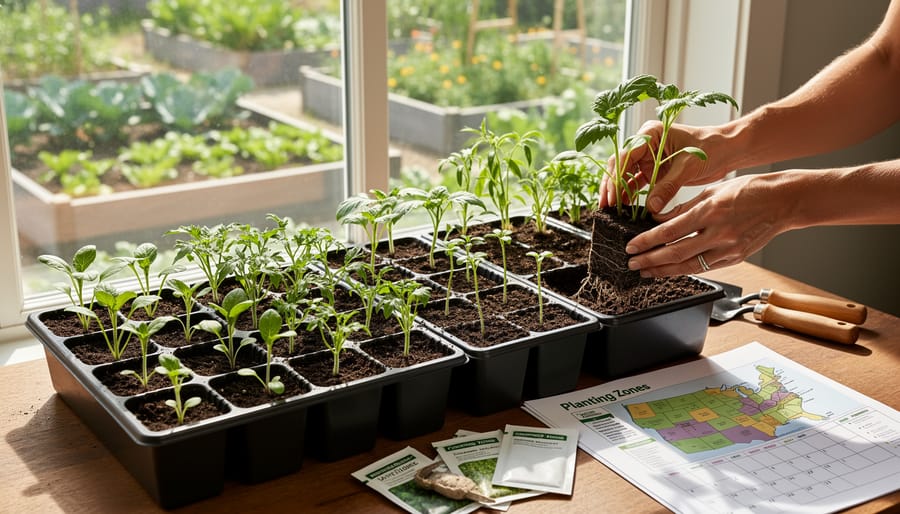
Why Your Zone Matters for Indoor Vegetable Gardening
Timing Your Indoor Seed Starts
In Austin’s zone 8b/9a climate, timing indoor seed starts requires working backward from your last frost date, which typically falls in mid- to late February. Unlike Corpus Christi gardeners who might see their last frost as early as February 1, or El Paso residents planning around March 24, Austin’s frost window sits comfortably in between. This zone-specific timing matters because starting seeds too early means leggy, overgrown seedlings desperate for outdoor space, while starting too late cuts into your productive growing season.
The calculation is straightforward: count backward from your target transplant date (about two weeks after your last frost) by the number of weeks each vegetable needs indoors. Most tomatoes and peppers need 6-8 weeks of indoor growth before they’re ready to face the Austin heat. Cucumbers and squash, on the other hand, need just 3-4 weeks and actually suffer if started too early. For Austin gardeners looking to grow vegetables indoors year-round, understanding this timing helps you plan succession plantings that keep your indoor space productive even as some seedlings transition outside.
| Vegetable | Weeks Before Last Frost | Austin Start Window |
|---|---|---|
| Tomatoes | 6-8 weeks | Late December – Early January |
| Peppers | 8-10 weeks | Mid-December |
| Cucumbers | 3-4 weeks | Late January – Early February |
| Squash | 3-4 weeks | Late January – Early February |
Your zone 8b/9a designation gives you a longer growing season than northern Texas, but Austin’s unpredictable late-winter temperature swings mean you can’t rush transplants outdoors the moment the calendar says it’s safe. Start your seeds indoors when the timing chart suggests, but keep them under lights or on sunny windowsills until outdoor nighttime temperatures consistently stay above 50°F for warm-season crops.
Choosing Vegetables That Match Your Zone
Austin’s zone 8b/9a climate changes which vegetables you should prioritize for indoor starting versus direct outdoor sowing. Heat-loving crops like tomatoes, peppers, and eggplants benefit from a 6-8 week head start indoors, giving them time to fruit before summer’s extreme heat slows production. Basil, cilantro, and parsley also transplant well after indoor germination.
Knowing your zone helps you choose varieties bred for Southern heat. Look for tomatoes labeled “heat-set” or “southern” varieties that produce when temperatures climb above 90°F. For peppers, jalapeños and serranos handle Austin’s summers better than thick-walled bell peppers, which often struggle in prolonged heat.
Some vegetables skip the indoor phase entirely in Austin. Beans, squash, and cucumbers germinate so quickly in warm soil that direct sowing outdoors makes more sense once frost risk passes. Leafy greens like lettuce and spinach grow best as cool-season crops here, started indoors in late summer for fall gardens rather than spring.
Your zone knowledge prevents wasted effort on varieties that won’t transition successfully to Austin’s outdoor conditions, letting you focus indoor space on crops that genuinely need that early start.
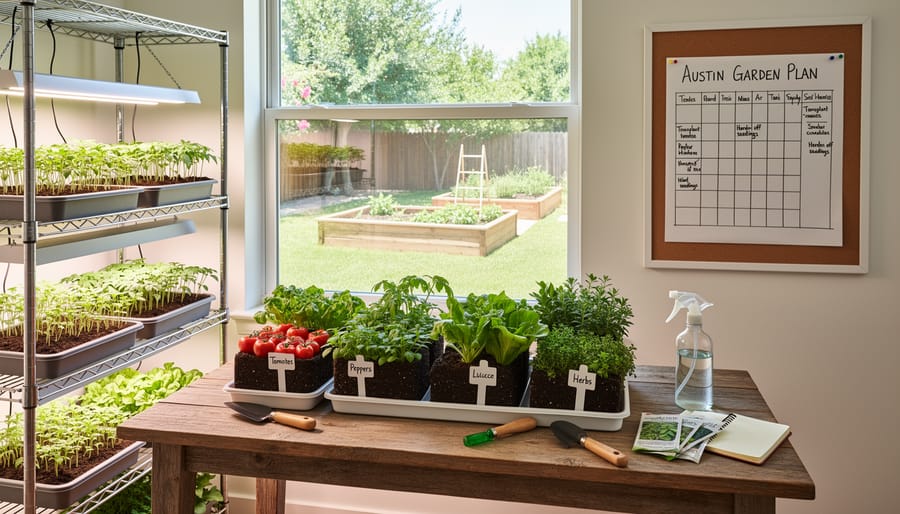
Using Your Zone for Year-Round Indoor Growing Success
Your zone knowledge transforms indoor gardening from a guessing game into a strategic operation. In Austin’s zone 8b/9a, you can rotate crops through your indoor setup year-round because our mild winters mean many vegetables can move outdoors earlier than in colder regions. Start heat-lovers like tomatoes and peppers indoors in January, then transition them outside by late March when nighttime temps stay above 50°F. Cool-season crops such as lettuce and spinach work the opposite way: grow them indoors during our brutal summer months (June through August), then shift them to outdoor containers or beds in September when temperatures drop.
The Monthly Gardening Calendar for Austin Area becomes your planning blueprint. Cross-reference it with your indoor veggie schedule to time succession plantings. When the calendar says it’s time to plant basil outdoors (April), start your next indoor batch of leafy greens to harvest through summer. This rotation keeps your kitchen supplied without gaps.
Temperature management indoors matters more than you’d think. Most vegetables germinate best between 65-75°F, which matches Austin’s indoor temperatures naturally from fall through spring. Summer is trickier: if your apartment heats up past 80°F, cool-season crops will bolt or refuse to germinate. Position indoor setups away from west-facing windows during May through September, or run a small fan to keep plants alive in the heat. Zone knowledge tells you when outdoor conditions beat indoor ones, so you’re not wasting energy growing things that would thrive outside.
Zone-Smart Indoor Gardening for Small Austin Spaces
When you’re working with limited square footage in an Austin apartment or condo, knowing you’re in zone 8b or 9a directly shapes what indoor gardening setup will actually work. A south-facing windowsill might handle seedlings started in late winter, but Austin’s intense summer sun coming through glass can scorch even heat-tolerant varieties by June. Your zone tells you when outdoor temperatures will support transplanting, which determines whether you need to invest in grow lights or can get by with natural light for the two to six weeks most seedlings need indoors.
Vertical systems make even more sense when you understand your zone’s timing. Those stackable herb towers or wall-mounted planters let you start multiple succession plantings indoors, then move the bottom tier outside once nighttime temps stay above 50°F (typically mid-March for Austin). You can rotate new seedlings up from your indoor nursery area while hardened-off plants head to a small balcony or patio. This flow only works when you know your frost dates and can plan the handoff.
For small spaces transitioning plants between indoors and out, check organic garden tips that account for Austin’s quick spring warmup and brutal summer heat. Your zone information helps you choose compact varieties that won’t outgrow their indoor space before outdoor conditions are right, and it prevents the rookie mistake of moving tender starts outside too early just because you’re tight on room. Plan your indoor setup around your outdoor window, not the other way around.
Knowing your Austin gardening zone isn’t just a technicality for outdoor gardeners. Zone 8b or 9a shapes every indoor vegetable gardening decision you make, from which tomato varieties will thrive when you move them to your patio to exactly when you should start those pepper seeds on your kitchen counter. The USDA zone finder takes seconds to use, and those few degrees of difference between zones translate directly into weeks of adjustment for your seed-starting calendar.
Your zone gives you a framework, but the real magic happens when you pair it with Austin’s specific climate patterns. Check the USDA Plant Hardiness Zone Map to confirm your exact location, then bookmark the Monthly Gardening Calendar for Austin Area to sync your indoor growing with Central Texas reality. Whether you’re starting seeds in a spare bedroom or nurturing seedlings under grow lights in your apartment, zone-smart planning means you’ll transplant at the right time and choose varieties bred to handle what Austin throws at them.
2026 is your year to grow smarter, not harder. Start with your zone, plan with purpose, and watch your indoor garden deliver fresh vegetables all season long.