
7 Garden Trends from 2020 That Still Work Beautifully in Small Spaces
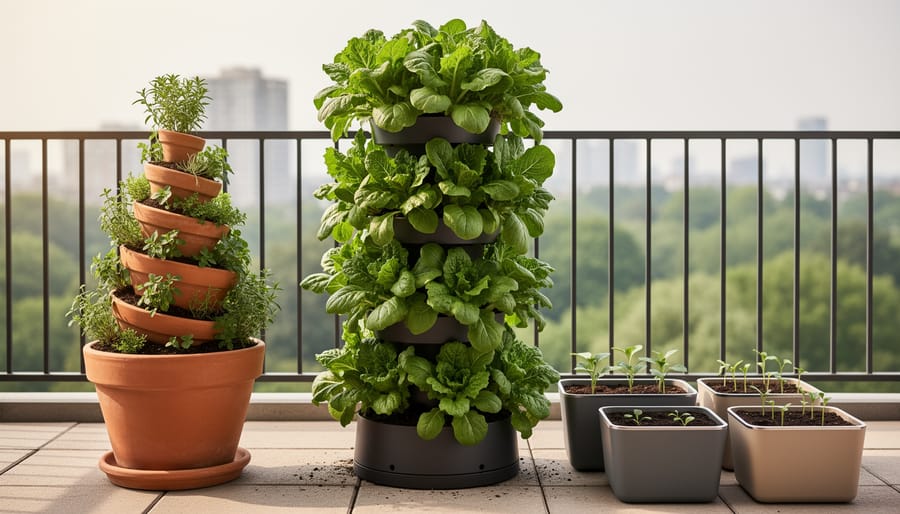
Looking back at 2020’s gardening revolution six years later, seven of that year’s biggest trends have proven themselves not just pandemic pastimes but lasting innovations that still work beautifully for Austin’s urban gardeners. The year lockdowns began sparked an explosion of creative home growing solutions, from vertical tower gardens that transformed tiny patios into productive food sources to beginner-friendly herb spirals that made the most of limited square footage. What started as necessity became a movement that reshaped how we think about growing food in cities.
These trends endure because they solved real problems. Container gardening systems that maximize yields in minimal space? Still essential for apartment balconies and small yards. Indoor grow lights that let you cultivate greens year-round, even during our brutal Texas summers? More popular than ever. The innovations of 2020 weren’t gimmicks but practical responses to the challenge of growing food and beauty in tight quarters, and they align perfectly with your Austin gardening zone realities.
This guide highlights the seven most valuable trends from that pivotal year, explaining why each one still deserves space in your urban garden setup and how to implement them without special skills or a big budget. You’ll discover which 2020 breakthroughs remain game-changing for small-space growers today.
Why These 2020 Trends Still Matter
When 2020 forced everyone to slow down and look closer at their immediate surroundings, gardens became more than decorative, they turned into productive, purposeful spaces that fit real life. The trends that emerged weren’t gimmicks. They answered practical needs: growing food when grocery runs felt uncertain, creating green calm in apartment living rooms, and making the most of every square foot when outdoor space was precious. These solutions stuck because they work, especially in cities like Austin where summer heat, water restrictions, and limited space have always shaped what thrives.
The trends featured here passed three tests: they fit genuinely small spaces (balconies, patios, windowsills), they lean toward sustainability rather than constant inputs, and they’re approachable for beginners. You won’t find complicated hydroponic setups or rare plant collections requiring expert care. Instead, these are the accessible, resilient ideas that changed how urban gardeners think about their space, and they’re still delivering results six years later.
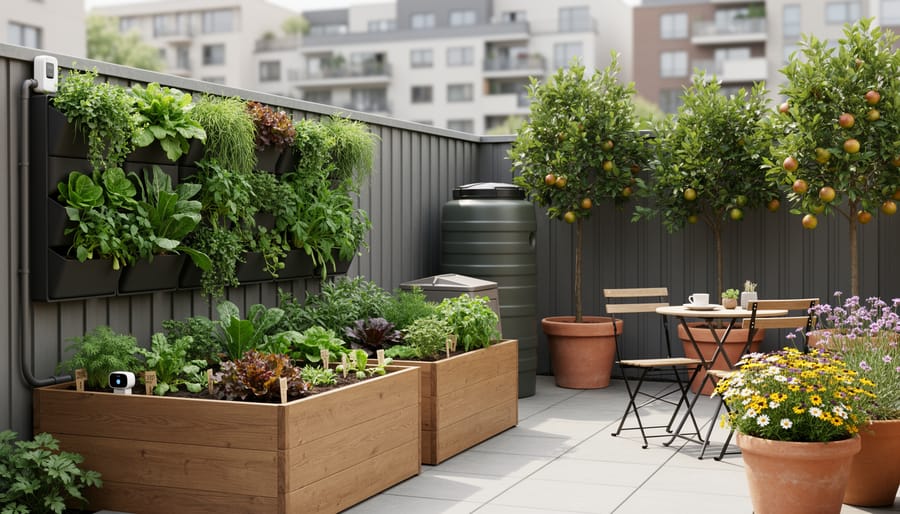
1. Vertical Gardens: Grow Up, Not Out
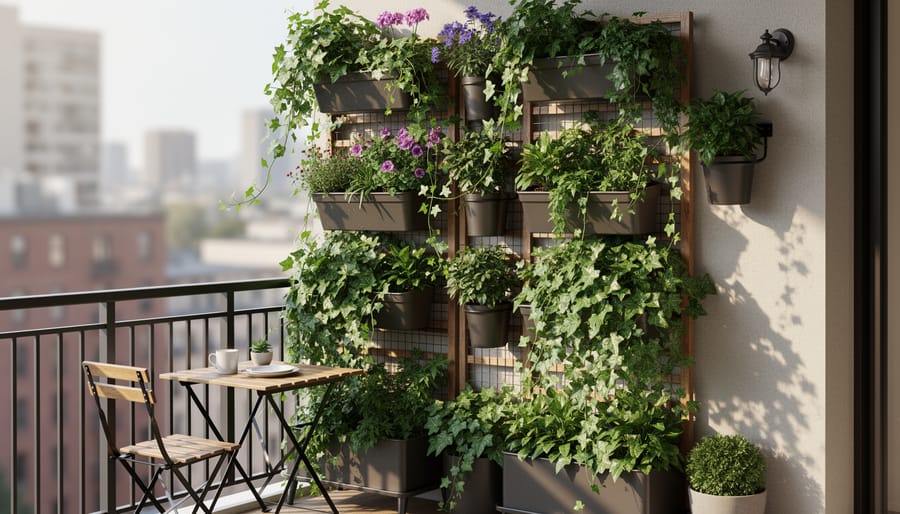
Vertical gardening took off in 2020 when city dwellers realized they could multiply their growing space without needing a backyard. For Austin gardeners working with compact patios and narrow balconies, this approach remains one of the smartest ways to create lush, productive gardens in tight quarters.
The concept is straightforward: train plants to climb supports or mount containers on walls, freeing up precious floor space. Wall-mounted planters work beautifully for herbs and small greens, simply attach sturdy brackets to exterior walls and hang lightweight containers. Trellises transform a bare fence into a living wall when you pair them with climbing vegetables like cherry tomatoes, beans, or cucumbers. Pocket gardens made from fabric or felt offer another space-saving option, letting you tuck strawberries, lettuce, or trailing flowers into vertical pockets that stay cooler than traditional pots.
When you choose plants for Austin‘s vertical gardens, heat tolerance matters. Pole beans handle the summer sun reliably, while passion vines provide shade and fruit. Sweet potato vines cascade beautifully without demanding constant water. For shadier spots, pothos and philodendron thrive with minimal fuss.
Position vertical structures where they’ll get morning sun but afternoon shade during peak summer months. This protects plants from the brutal western exposure while still providing enough light for healthy growth. Start with one wall or trellis rather than tackling your entire space at once, you’ll learn what works before expanding your vertical garden.
2. Edible Container Gardens for Fresh Produce
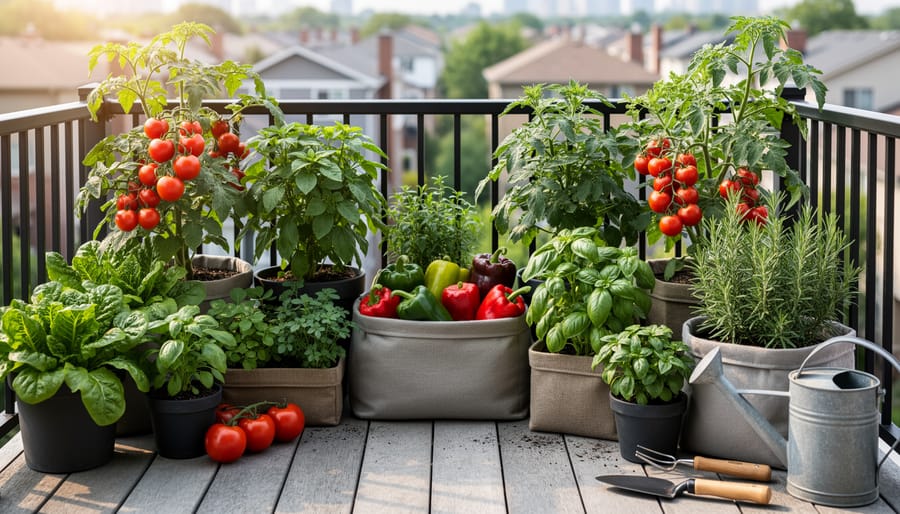
The surge of interest in growing your own food during 2020 wasn’t just a passing fad, it revealed how productive a small porch or balcony can be. Container vegetable gardens let Austin gardeners enjoy fresh tomatoes, peppers, and herbs without needing yard space, and they’re forgiving enough for beginners.
Start with containers at least 12 inches deep for most vegetables. Five-gallon buckets work beautifully and cost next to nothing, but any pot with drainage holes will do. Bigger is better, tomatoes and peppers thrive in 15-18 inch pots, while lettuce and herbs do fine in shallower 8-inch containers. Skip garden soil; it compacts in pots. Use a quality potting mix instead, which drains well and stays fluffy.
For Austin’s heat, choose vegetables that tolerate hot summers. Cherry tomatoes like ‘Sungold’ produce reliably through May and June before temperatures peak. Jalapeños and serranos handle scorching afternoons without complaint. Basil loves the heat and grows like a weed in full sun. In fall and winter, switch to lettuce, kale, and Swiss chard, which prefer cooler weather and give you fresh greens when grocery store prices spike.
Place containers where they’ll get six hours of sun for fruiting plants, though leafy greens tolerate partial shade during brutal August afternoons. Water daily once temperatures climb, containers dry out faster than ground soil, especially on west-facing balconies. A simple setup of three or four pots can keep your kitchen stocked with fresh produce year-round.
3. Native and Drought-Tolerant Plants
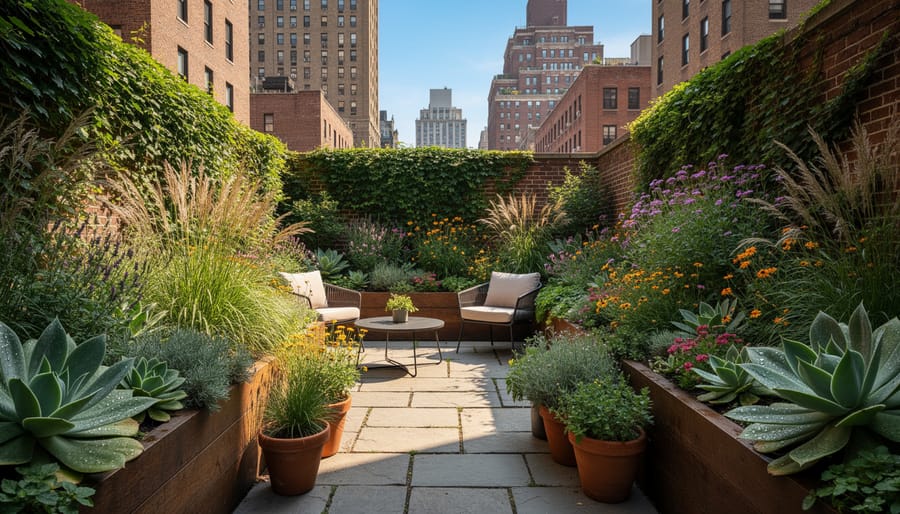
When drought restrictions hit Austin in 2020, gardeners quickly realized the value of plants that thrive with minimal water. This shift toward native and drought-tolerant species wasn’t just practical, it created gardens that actually work with Texas weather instead of fighting it.
Native plants like Turk’s cap, gregg’s mistflower, and flame acanthus need far less attention than thirsty exotics. They’ve adapted to Austin’s clay soil and scorching summers over thousands of years. Once established, most require watering only during extreme dry spells. That’s a huge advantage when you’re managing containers on a balcony or rooftop where every gallon counts.
For small spaces, try cenizo (Texas sage) in large pots, its silvery foliage and purple blooms appear after rain without any extra effort. Black-eyed Susans and blanket flowers deliver continuous color in tight spots while attracting pollinators. These plants know Austin’s rhythms the way you might understand indoor veggie timing or the right zone for herbs.
The low-maintenance benefits extend beyond water savings. Native plants resist local pests naturally and don’t need fertilizer once they’re settled in. You’ll spend less time troubleshooting problems and more time enjoying the garden. Start with three or four native species this season and watch how they outperform everything else when August heat arrives.
4. Pollinator-Friendly Gardens
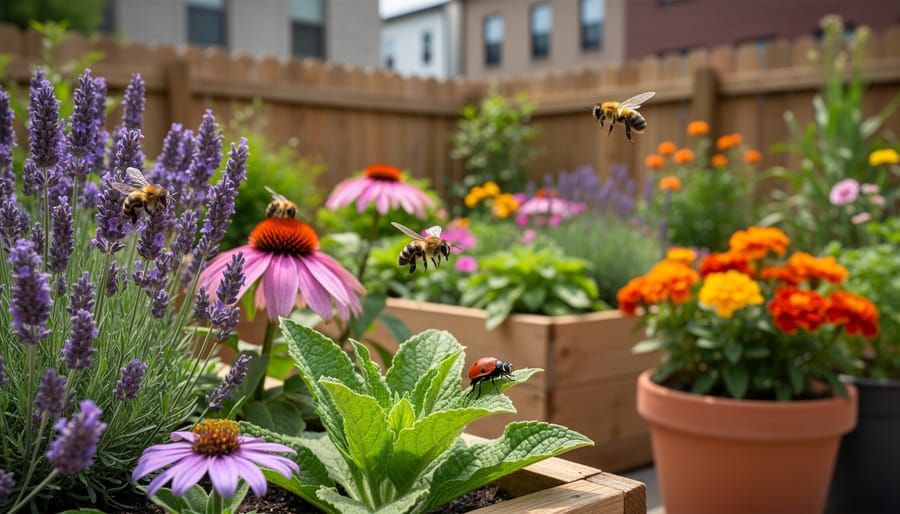
The 2020 pandemic brought backyard wildlife watching into sharp focus as people spent more time at home, sparking a movement toward pollinator-friendly gardening that’s proven essential for Austin’s ecosystem. You don’t need acres to make a difference, a single balcony filled with the right blooms can sustain dozens of pollinators.
Start with native Texas plants that bloom at different times. Gregg’s mistflower attracts butterflies from late summer through fall, while autumn sage offers tubular flowers that hummingbirds adore. Texas lantana handles brutal heat and feeds both bees and butterflies all season. Plant these in clusters rather than singles, pollinators spot grouped colors more easily and feed more efficiently.
Container gardens work beautifully for pollinator support. A half-whiskey barrel can hold three or four different flowering plants, creating a mini buffet on your patio. Avoid pesticides entirely; even organic options can harm beneficial insects. If aphids appear, spray them off with water or let ladybugs handle the job.
Add a shallow dish of water with pebbles or marbles for landing spots, pollinators need hydration, especially during Texas summers. Change the water every few days to prevent mosquito breeding.
The payoff goes beyond helping nature. Pollinator gardens require less fussing than traditional ornamentals, and watching a hummingbird hover at your salvias beats scrolling through screens any day. These gardens practically run themselves once established, making them perfect for busy urban gardeners who want maximum beauty with minimal effort.
5. Indoor Herb Gardens and Houseplant Jungles
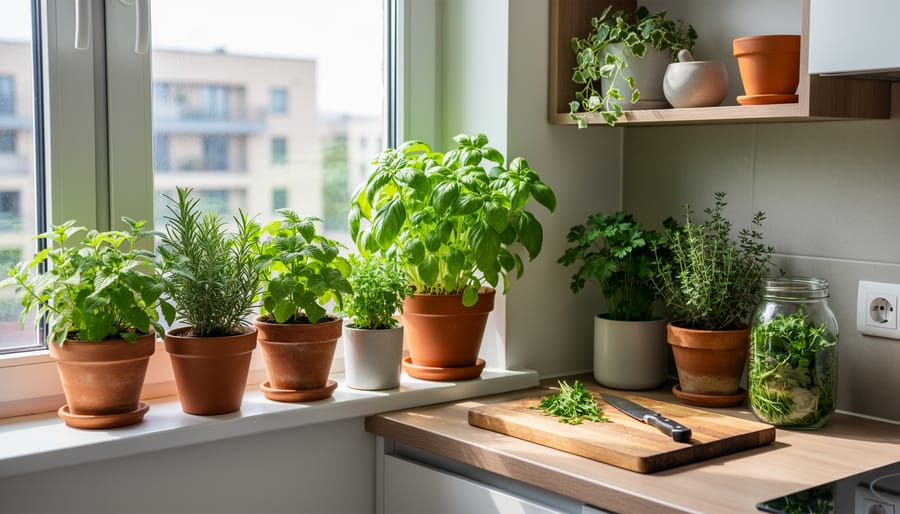
When lockdowns forced everyone indoors in 2020, living spaces transformed into thriving indoor gardens filled with fresh herbs and lush houseplants. What started as a way to stay connected to nature became a revelation: you don’t need outdoor space to grow your own food or create a green sanctuary. Austin’s abundant sunshine through apartment windows makes indoor herb gardening especially successful year-round.
Start your indoor herb garden by choosing a south or west-facing window that gets at least six hours of sunlight daily. If natural light is limited, a simple grow light from any hardware store fills the gap, position it six to twelve inches above your plants and run it for twelve to fourteen hours daily. Pick containers with drainage holes (repurposed jars or cans work fine if you drill a hole in the bottom) and fill them with quality potting mix, not garden soil.
For beginners, these herbs practically grow themselves:
- Basil: loves warmth, needs consistent moisture, pinch off flower buds to encourage leaf growth
- Mint: incredibly forgiving, contains its spread in pots, water when the top inch feels dry
- Parsley: tolerates lower light than most herbs, slow to start but prolific once established
- Chives: requires minimal care, grows back quickly after cutting, handles occasional neglect
- Thyme: prefers drier conditions between waterings, perfect for forgetful gardeners
Water your herbs when the top inch of soil feels dry to the touch, Austin’s indoor heat means you’ll likely water twice weekly in summer, less in winter. Overwatering kills more indoor herbs than underwatering, so resist the urge to keep soil constantly wet. Rotate pots weekly so all sides receive equal light, and harvest regularly by snipping stems just above a leaf node to encourage bushier growth. Within weeks, you’ll have fresh herbs for every meal and a windowsill that looks and smells amazing.
6. Composting at Home
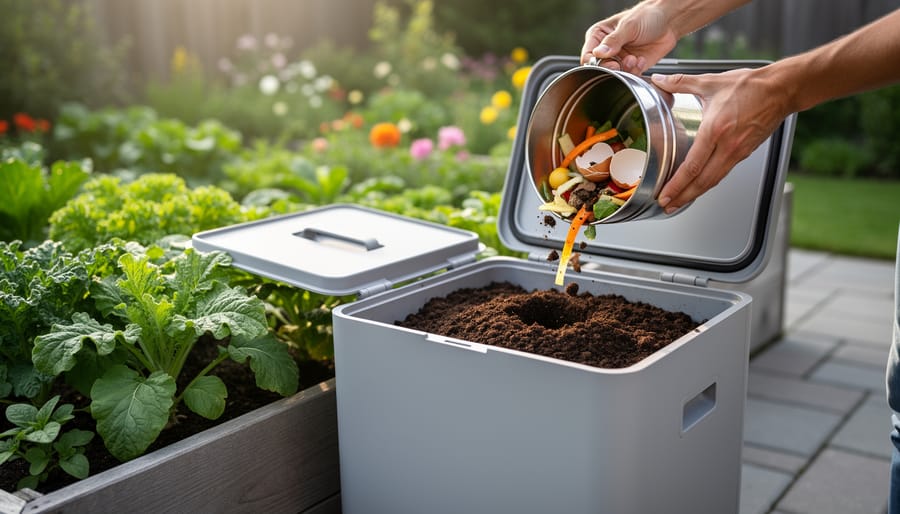
The pandemic gardening surge in 2020 made composting mainstream, as people realized they could turn kitchen scraps into valuable soil while spending more time at home. For Austin gardeners with limited outdoor space, compact composting systems offer a practical way to reduce waste and create nutrient-rich amendments for containers and vertical planters.
You don’t need a backyard to compost successfully. Countertop bins with charcoal filters handle fruit and vegetable scraps without odors, making them apartment-friendly. If you have a small balcony or patio, a tumbler composter (about the size of a large beach ball) processes materials faster than traditional bins and keeps things tidy. Worm composting bins fit under kitchen sinks and produce exceptional fertilizer through vermicomposting, though Austin’s summer heat means you’ll need to keep them indoors where it’s cooler.
Stick to fruit and vegetable scraps, coffee grounds, eggshells, and shredded paper. Skip meat, dairy, and oils, which attract pests and slow decomposition. In Austin’s heat, outdoor composters work quickly, often producing usable compost in six to eight weeks during summer.
The finished product transforms container gardens. Mix compost into potting soil at a ratio of one part compost to three parts soil, or use it as a top dressing around plants in vertical planters. For established containers, scratch a thin layer into the top inch of soil every few months. Your tomatoes, herbs, and flowering plants will respond with stronger growth and better drought tolerance, essential qualities for weathering Austin’s intense summers.
7. DIY Garden Projects and Upcycling
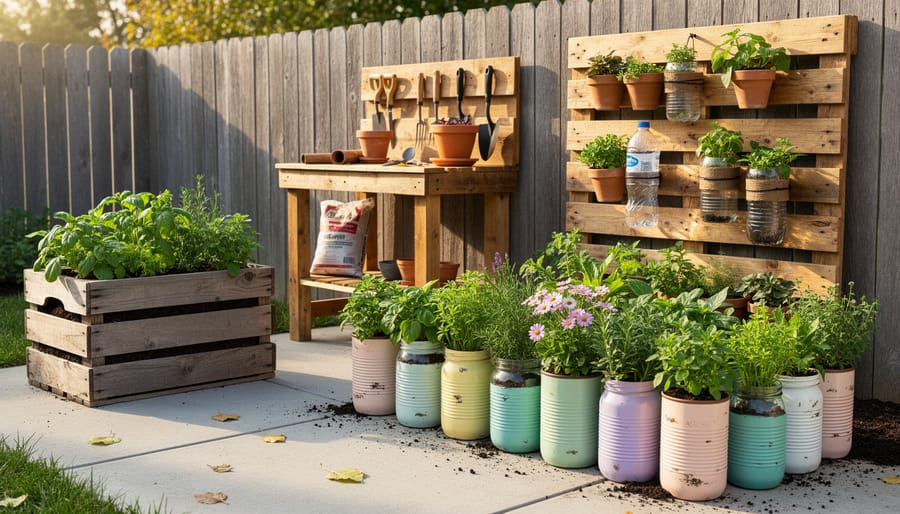
The 2020 lockdowns sparked a wave of creative DIY garden projects as people transformed everyday items into planters and garden features. This hands-on approach hasn’t just stuck around, it’s become a cornerstone of sustainable urban gardening in Austin.
Old wooden crates, vintage colanders, and plastic bottles all found new life as containers. The key is choosing materials that can handle Austin’s intense summer heat without warping or releasing toxins. Terracotta pots decorated with outdoor paint, concrete hypertufa planters made in mixing bowls, and cedar wood boxes all perform beautifully in Texas sun.
Start with simple projects. Drill drainage holes in tin cans or mason jars for herb gardens. Convert a broken ladder into a tiered plant stand for your patio. Stack cinder blocks to create modular planter walls that also provide wind protection for delicate seedlings.
For vertical gardens, repurpose gutters into wall-mounted lettuce planters or hang old shoe organizers as strawberry pockets. These projects cost a fraction of store-bought systems while giving you custom sizing for your space.
The real beauty of upcycling goes beyond aesthetics and budget savings. You’re keeping materials out of landfills while creating a garden that reflects your personality. In Austin’s heat, focus on containers with thick walls that insulate roots from temperature swings. Paint lighter colors on darker materials to reflect heat, and always ensure proper drainage to prevent root rot during our occasional heavy rains.
Common Questions About 2020 Garden Trends
Starting these trends in Austin doesn’t have to be complicated or overwhelming. Here are the questions beginners ask most often, with straightforward answers to get you growing.
How much water do these trends actually require in Austin’s heat?
Native plants and drought-tolerant options need minimal watering once established, usually just during extreme dry spells. Container gardens and vertical setups require more frequent watering in summer, often daily, but using mulch and self-watering containers significantly reduces water needs.
Which trend is easiest for complete beginners?
Start with an indoor herb garden or a single pollinator-friendly native plant in a container. Both offer quick wins with minimal maintenance while you build confidence and learn what works in your specific space.
Can I combine multiple trends in a small balcony?
Absolutely, most Austin gardeners mix several approaches. A vertical trellis with cherry tomatoes, a few native plants in containers, and a compact compost bin work beautifully together in just a few square feet.
What if I rent and can’t make permanent changes?
All seven trends work perfectly for renters. Use freestanding vertical structures, movable containers, and countertop composters that you can take with you when you move.
The beauty of these 2020 trends is their flexibility. You don’t need a yard, big budget, or green thumb to make them work, just pick what fits your space and start small.
You don’t need to tackle all seven trends at once. Pick the one or two that match your available space, time, and interests. Maybe you’ll start a few container tomatoes on your balcony this fall, or dedicate a sunny windowsill to basil and cilantro. Perhaps you’ll swap out thirsty annuals for native Texas sage and black-eyed Susans. Each small choice builds momentum.
What made these 2020 innovations stick around is simple: they work. Vertical systems maximize your square footage, native plants thrive without constant attention, and growing your own food tastes better than anything from the store. These aren’t passing fads but practical responses to real constraints Austin gardeners face, limited space, intense heat, water costs, and busy schedules.
The best garden is the one you’ll actually tend. Start where you are, use what you have, and let your confidence grow along with your plants. You’ll be surprised how much life a few strategic containers or a well-chosen trellis can bring to your patio, balcony, or front step.