
25 Container Gardening Ideas to Transform Your Austin Space in 2026
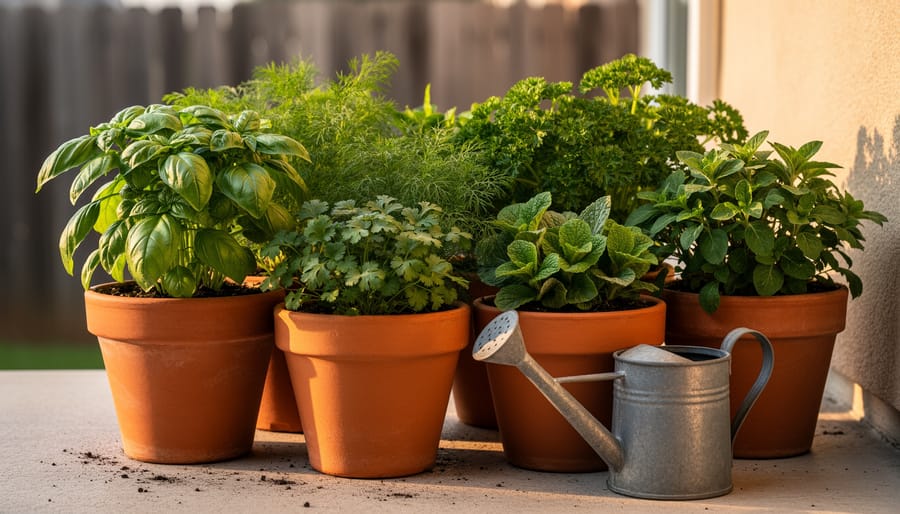
Container gardening transforms any outdoor space into a productive growing area, whether you’re working with a balcony, patio, fire escape, or sunny windowsill. The beauty of containers is their flexibility: you control the soil quality, move plants to follow the sun or escape Austin’s punishing afternoon heat, and experiment with combinations impossible in traditional beds. From edible gardens that produce fresh herbs and vegetables year-round to vertical installations that maximize square footage, container gardening solves the urban gardener’s biggest challenges: limited space, poor native soil, and the need for portability.
Austin’s climate makes container gardening especially rewarding. Our long growing season means you can harvest tomatoes well into November and start cool-season greens by September. Containers also let you sidestep our notorious caliche and clay soils, giving heat-loving peppers and citrus the drainage they demand. The catch? Containers dry out faster than ground beds, particularly during triple-digit summers, so choosing the right size pot and understanding watering needs becomes crucial.
This guide breaks down 25 container ideas across edibles, vertical solutions, ornamentals, and specialty projects. Each category addresses different goals, from feeding your family to creating privacy screens or adding seasonal color. You’ll find practical details on container size, plant selection for Central Texas conditions, and maintenance tips that keep your garden thriving without constant intervention.
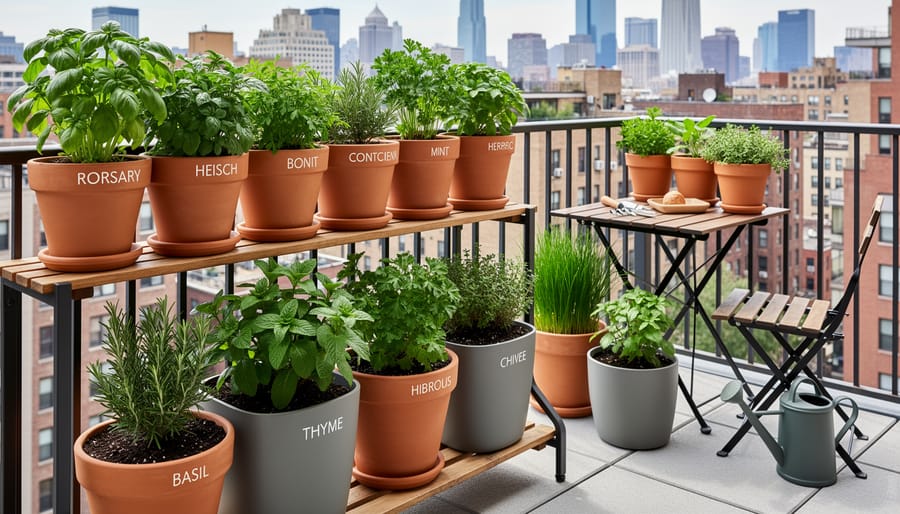
What Makes a Great Container Garden
Before diving into specific ideas, let’s talk about what separates a thriving container garden from a disappointing one. The 25 ideas in this guide weren’t chosen at random, each meets specific criteria that matter for Austin’s unique growing conditions and urban spaces.
Container choice matters more than you might think. Your pot needs drainage holes (non-negotiable), but it also needs enough volume for roots to develop properly. A 5-gallon container is the minimum for most vegetables and larger ornamentals, while herbs and succulents can work in smaller spaces. Material affects performance too, terracotta breathes beautifully but dries out fast in our heat, while plastic and glazed ceramic retain moisture longer.
Austin’s climate shaped every recommendation here. We deal with intense summer sun, sporadic rainfall, and a growing season that stretches nearly year-round. The best container ideas either embrace heat-loving plants that thrive in those conditions or provide strategies for protecting more delicate species. Sun exposure drives plant selection: a south-facing balcony in July is a completely different environment than a covered porch.
Here’s what made each idea worth including:
- Proper drainage system or self-watering capability for Austin’s erratic rainfall patterns
- Heat tolerance appropriate for USDA Zone 8b/9a conditions
- Container size matching the plant’s mature root system
- Space efficiency for apartments, patios, and small urban yards
- Realistic maintenance requirements for busy schedules
Plant compatibility matters when you’re combining multiple species in one container. The ideas group plants with similar water needs, sun requirements, and growth rates. A sprawling tomato plant and a compact basil can share space, but aggressive spreaders will crowd out slower growers.
Finally, every idea balances ambition with practicality. You’ll find options for beginners starting with three herbs and experienced gardeners ready to tackle vertical systems or specialty crops.
25 Container Gardening Ideas for Your Space
Edible Container Gardens
1. Classic Herb Trio
Start your edible container journey with the easiest win: a single pot holding basil, parsley, and cilantro. These workhorses thrive together in a 12-inch container with excellent drainage. Place them where they’ll get morning sun and afternoon shade, crucial during Austin’s brutal June through August stretch. Basil bolts fast in full Texas sun, so partial shade extends your harvest. If you’re new to growing your own seasonings, check out herb gardening basics for detailed cultivation techniques. Water daily during summer heat, and pinch back stems regularly to keep plants bushy rather than leggy.
2. Salad Bowl Garden
A wide, shallow container (at least 18 inches across, 8 inches deep) becomes your personal salad bar. Mix quick-growing lettuce varieties, Buttercrunch, Red Sails, and Oakleaf, with arugula and spinach for continuous harvests. In Austin, plant this one in March or late September to avoid the heat that turns greens bitter and sends them bolting. Harvest outer leaves as you need them, and the plants keep producing for weeks. Add a layer of mulch on top of the soil to keep roots cooler and moisture more consistent.
3. Tomato Tower
A single determinate tomato variety like Patio or Bush Early Girl fits beautifully in a 5-gallon container, but you’ll need sturdy support. Choose a pot at least 14 inches deep with a cage or stake already in place before planting. Austin tomatoes produce best when planted in March for a spring harvest, our summer heat above 95 degrees stops fruit set cold. Water deeply every other day once fruiting starts, and feed with a balanced fertilizer every two weeks. One plant provides enough tomatoes for fresh eating all season.
4. Pepper Collection
Group three different pepper plants, a sweet bell, a jalapeño, and a shishito, in individual 5-gallon containers positioned together. Peppers actually handle Austin heat better than tomatoes, producing right through summer if you keep them consistently watered. They need full sun and excellent drainage. Start with transplants in April, and you’ll harvest from July through the first frost. The varied heat levels give you options for every meal, from breakfast scrambles to evening stir-fries.
5. Strawberry Planter
Those terracotta pots with side pockets work perfectly for everbearing strawberry varieties. Plant one crown per pocket, ensuring the crown sits just at soil level, bury it and the plant rots, leave it exposed and it dries out. In Austin, strawberries thrive as a winter crop; plant them in October for spring harvests. They need six hours of sun and consistent moisture but not soggy soil. Pinch off runners to direct energy into fruit production rather than new plants.
6. Dwarf Citrus Trees
A Meyer lemon or improved Meyer lime lives happily for years in a 15-gallon container on your patio. These compact trees handle containers better than full-size varieties while still producing real fruit. They need full sun, monthly feeding during the growing season, and protection when temperatures drop below 28 degrees (rare in Austin but it happens). Wheel them near a south-facing wall on those occasional freezing nights, or throw a blanket over the canopy.
7. Culinary Asian Greens
Bok choy, mizuna, and tatsoi grow fast in a rectangular planter box, ready to harvest in 30 days. These cool-season greens tolerate light frost, making them perfect for Austin’s mild winters. Plant them in October or February in a container at least 8 inches deep. They prefer afternoon shade even in cool weather. Cut the entire plant at soil level when it’s 6 inches tall for baby greens, or let them mature for full heads.
8. Container Root Vegetables
Carrots, radishes, and beets all work in deep containers, go at least 12 inches for carrots, 6 inches for radishes. Choose short carrot varieties like Thumbelina or Paris Market rather than long types that need more depth. Austin’s cool seasons (October through March) suit root crops perfectly. Thin seedlings aggressively to give each plant room to develop, and keep soil consistently moist for the sweetest flavor and best texture.
Vertical and Space-Saving Solutions
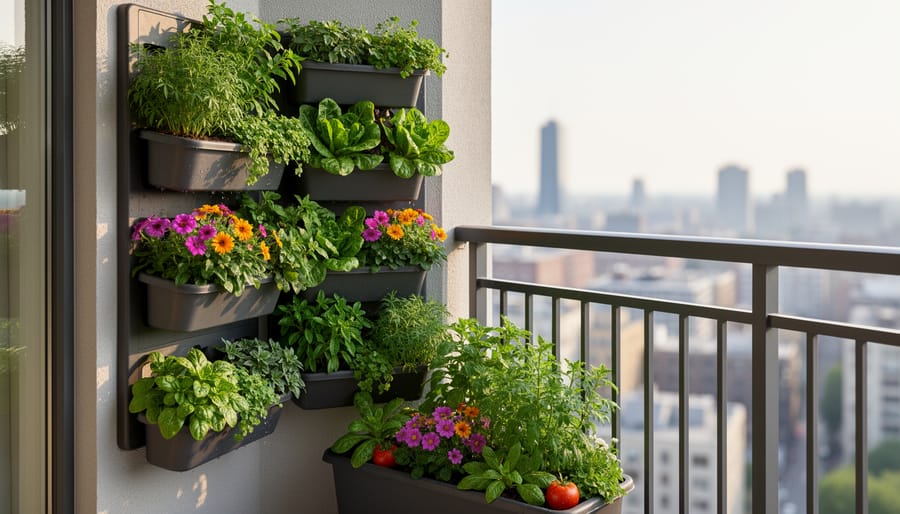
When you’re working with a compact Austin patio or balcony, thinking vertically transforms your growing potential. These six ideas stack, climb, and hang to multiply your planting space without claiming more square footage.
Idea 9: Tiered Planter Systems
Three or four-tier stackable planters create mini growing zones at different heights. Put sun-loving basil and cherry tomatoes on top, heat-tolerant peppers in the middle, and shade-appreciating parsley at the bottom. The graduated design makes watering easier and gives each plant its spotlight. Look for systems with built-in saucers to catch runoff on your balcony floor.
Idea 10: Wall-Mounted Pocket Planters
Fabric or rigid pocket systems turn any vertical surface into a garden wall. Mount them on a sunny fence section and fill with trailing succulents, compact herbs like thyme and oregano, or small ornamental grasses. Each pocket needs drainage holes punched if they don’t come pre-made, and fabric versions dry out faster in Austin’s heat, so check them daily during summer.
Idea 11: Trellis Containers for Vining Plants
Pair a large container with a sturdy trellis or obelisk for climbing beans, cucumbers, or morning glories. The vertical growth habit gives you pounds of produce from a single pot. Choose containers at least 18 inches deep and position them where vines won’t block afternoon sun from other plants. Sugar snap peas thrive here in Austin’s cooler months.
Idea 12: Stacked Herb Towers
Purpose-built herb towers with multiple planting pockets spiraling up a central column pack serious flavor into minimal footprint. Plant your most-used herbs (cilantro, basil, mint) in easy-reach pockets and experiment with less common varieties like lemon balm or Cuban oregano higher up. Rotate the tower weekly so all sides get equal sun exposure.
Idea 13: Hanging Basket Combinations
Suspend mixed plantings at varying heights to create floating garden layers. Combine upright plants in the center with trailing varieties that cascade over the edges, try upright zinnias with trailing verbena, or cherry tomatoes with trailing rosemary. Use swivel hooks so you can rotate baskets for even growth, and remember that hanging containers dry out twice as fast as ground-level ones.
Idea 14: Ladder Garden Display
An old wooden ladder or purpose-built plant stand creates instant vertical real estate for multiple containers. Arrange pots on each rung by size and sun needs, with largest containers on lower rungs for stability. This setup works beautifully for displaying seasonal color rotations or organizing an entire kitchen herb collection where everything stays visible and accessible.
Ornamental and Pollinator-Friendly Options
15. Native Texas Wildflower Mix
Transform a large shallow container into a miniature meadow with native bluebonnets, Indian paintbrush, and black-eyed Susans. Use a container at least 18 inches wide and 12 inches deep with excellent drainage. Plant seeds in fall for spring blooms, or buy transplants in late winter. These hardy natives thrive in Austin’s heat and require minimal water once established.
16. Butterfly Garden Container
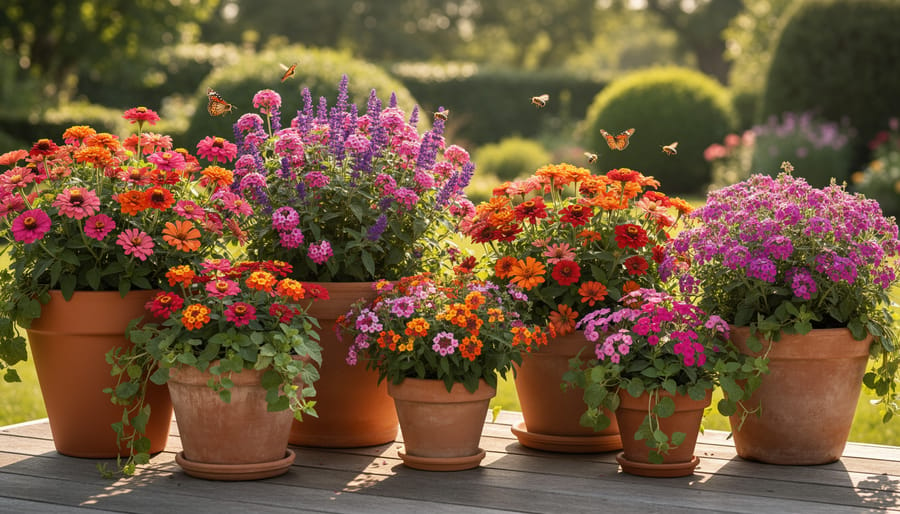
Create a pollinator paradise with nectar-rich plants like purple coneflower, lantana, and zinnias paired with host plants such as milkweed for monarch caterpillars. Choose a container 16 inches or larger and position it in full sun. Plant in clusters rather than single specimens to attract more butterflies. Add a flat stone as a basking spot.
17. Succulent Arrangement
Combine drought-tolerant beauties like echeveria, sedum, and agave in a wide, shallow container with multiple drainage holes. Succulents handle Austin’s intense summer sun and need watering only every two to three weeks. Layer gravel at the bottom and use cactus-specific potting mix. Perfect for hot patios where other plants struggle.
18. Seasonal Color Rotation
Keep your entrance or patio vibrant year-round by swapping out annuals each season. Plant pansies and snapdragons for winter color, petunias and geraniums for spring, heat-tolerant vinca and pentas for summer, and chrysanthemums for fall. Use the same decorative containers but refresh the plantings quarterly. This approach gives you continuous blooms without committing to perennials.
19. Fragrant Evening Garden
Design a container for your outdoor living area with night-blooming jasmine, moonflower vines, and white nicotiana that release intense fragrance after sunset. Add a small trellis for the vining plants and position the container near seating areas. These plants also attract night-pollinating moths, adding movement and life to evening gatherings.
20. Hummingbird Haven
Fill a tall container with red salvia, coral honeysuckle on a small trellis, and cigar plant to create an irresistible feeding station. Hummingbirds favor tubular flowers in red, orange, and pink. Position the container where you can watch from inside, ideally near a window. Plant densely and deadhead regularly to keep blooms coming through our long growing season.
Creative and Specialty Container Ideas
21. Self-Watering Container System
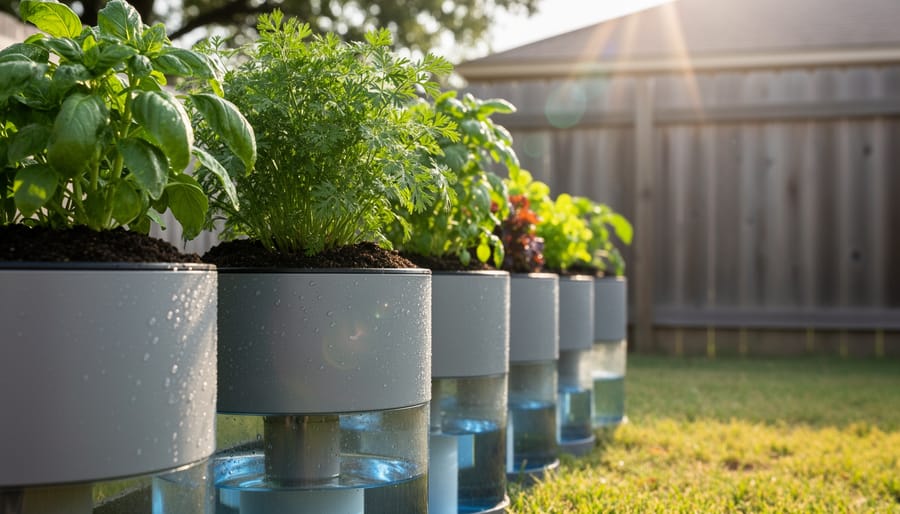
Perfect for Austin’s busy professionals or frequent travelers. Self-watering planters feature a built-in reservoir that delivers moisture to roots through capillary action, keeping plants hydrated for days without attention. Look for containers with water-level indicators and fill spouts. Plant drought-tolerant herbs like rosemary and oregano, or leafy greens that appreciate consistent moisture. These systems work especially well during Austin’s intense summer heat when twice-daily watering becomes necessary for standard containers. Start with a single self-watering planter to test the system before investing in multiple units.
22. Shade-Loving Container for Covered Porches
Transform that shaded porch or north-facing balcony into a lush retreat. Combine coleus for vibrant foliage, impatiens for pops of color, and trailing vinca vine to soften container edges. Add caladiums with their striking heart-shaped leaves for drama. Use a large container at least 16 inches wide to accommodate multiple plants and retain moisture longer in Austin’s dry air. This combination thrives in dappled light and actually prefers protection from afternoon sun. Water regularly but check soil first since shaded containers dry out more slowly than those in full sun.
23. Drought-Tolerant Texas Tough Planter
Embrace native resilience with a container designed to handle whatever Texas weather throws at it. Mix Texas sage, blackfoot daisy, and trailing lantana in a shallow, wide bowl. These Austin natives tolerate heat, require minimal water once established, and bloom prolifically. Use a terracotta or unglazed ceramic container that allows roots to breathe. Add a layer of gravel mulch on top to reduce evaporation and give a clean desert aesthetic. Water deeply but infrequently, letting soil dry completely between waterings.
24. Kid-Friendly Sensory Garden
Get children excited about gardening with plants they can touch, smell, and taste. Combine soft lamb’s ear leaves, fragrant chocolate mint, cherry tomatoes at kid height, and colorful marigolds. Choose a sturdy container placed at child-accessible height. Let kids decorate the pot with outdoor paint before planting. This hands-on garden teaches responsibility while engaging multiple senses. Avoid plants with thorns or toxic properties, and supervise taste-testing to ensure only edible parts get sampled.
25. Windowsill Micro-Garden
Maximize limited space with a compact indoor or outdoor windowsill setup. Use narrow rectangular containers or a series of small pots for microgreens, sprouting herbs, or dwarf varieties. East or west-facing windows work best in Austin to avoid scorching afternoon sun. Grow basil, chives, or cilantro for cooking, or try fast-growing arugula microgreens ready to harvest in two weeks. Rotate containers regularly for even growth and keep soil consistently moist but not waterlogged in the confined space.
Getting Started with Your Container Garden
Ready to turn those container gardening ideas into reality? Whether you’re a container gardening beginners or expanding your collection, success starts with the right foundation and consistent care tailored to Austin’s unique climate.
Start by choosing containers with drainage holes, non-negotiable in our climate. Clay pots breathe well but dry out faster; plastic or resin retains moisture longer, which helps during July and August. Go larger than you think you need: a 14-inch pot beats a 10-inch for most vegetables and ornamentals, giving roots room and buffering against rapid temperature swings.
For soil, skip garden dirt entirely. Use a quality potting mix designed for containers, it drains properly while holding enough moisture. Texas heat is brutal, so consider mixing in compost or coconut coir to improve water retention. Remember that nutrients leach with watering especially in our summer downpours, so plan to fertilize every two to three weeks during the growing season with a balanced liquid fertilizer diluted to half strength.
Water deeply until it drains from the bottom, then let the top inch dry before watering again. Morning watering works best, giving plants a reservoir before afternoon heat hits. Mulch the soil surface with bark chips or stones to slow evaporation.
Understanding your Austin gardening zone (8b or 9a, depending on your neighborhood) helps you time plantings and protect containers during our occasional winter freezes. When frost threatens, move pots to a covered porch or wrap them overnight.
Struggling? Yellow leaves often mean overwatering or poor drainage. Wilting despite moist soil suggests root problems, time to repot. Leggy growth means insufficient light; relocate or choose shade-tolerant plants. The key is observation: check your containers regularly, adjust watering as weather shifts, and don’t be afraid to keep your plants alive through trial and error. Every gardener learns by doing.
Common Container Gardening Questions
When is the best time to start container gardening in Austin?
You can start most container gardens in March or early April after the last frost risk passes. For heat-sensitive greens and cool-season crops, September through October offers ideal planting conditions, and you can grow vegetables indoors during the coldest months.
Which container materials work best in Austin’s heat?
Ceramic and thick resin containers insulate roots better than thin plastic or metal, which can overheat in full sun. Terracotta breathes well but dries out quickly, so plan for more frequent watering during summer months.
How do I keep container plants alive during 100-degree days?
Move containers to areas with afternoon shade, group them together to create humidity, and water in early morning or evening. Add a two-inch mulch layer on top of the soil to reduce evaporation and keep roots cooler.
When should I protect containers from frost?
Austin typically sees frost between late November and mid-February. Move tender plants indoors or against a south-facing wall, and cover with frost cloth when temperatures drop below 35 degrees.
What’s the easiest way to manage pests in container gardens?
Check plants weekly for aphids, spider mites, and whiteflies. Spray affected plants with a strong water stream or use insecticidal soap early in the morning before temperatures climb.
Where can I find container gardening supplies in Austin?
Local nurseries like The Great Outdoors, Shoal Creek Nursery, and Barton Springs Nursery carry quality containers, potting mix, and plants suited to our climate. Natural Gardener on Old Bee Caves Road specializes in organic options and offers expert advice for Central Texas growing conditions.
These questions cover the practical concerns Austin gardeners face when starting container gardens. The answers provide specific, actionable guidance without overwhelming detail, helping you troubleshoot common issues before they become problems. Local resources make it easier to source the right materials and get advice tailored to our unique climate challenges.
Container gardening opens up a world of possibilities for every Austin resident, whether you’re working with a tiny balcony or a spacious patio. These 25 ideas prove that limited space doesn’t mean limited potential, you can grow fresh herbs, colorful flowers, productive vegetables, and even small fruit trees in containers. Start with one or two ideas that excite you most, then expand as you gain confidence. Don’t be afraid to mix and match concepts or adjust them to your specific conditions. Your local resources, including nurseries and gardening communities throughout Austin, offer supplies, advice, and inspiration when you need it. The beauty of container gardening lies not just in what you grow, but in the daily connection to plants, the satisfaction of harvesting your own food, and the creative expression of transforming any space into a thriving garden.