
Why Leisure Gardening Is Taking Over Urban Spaces (And How You Can Start)
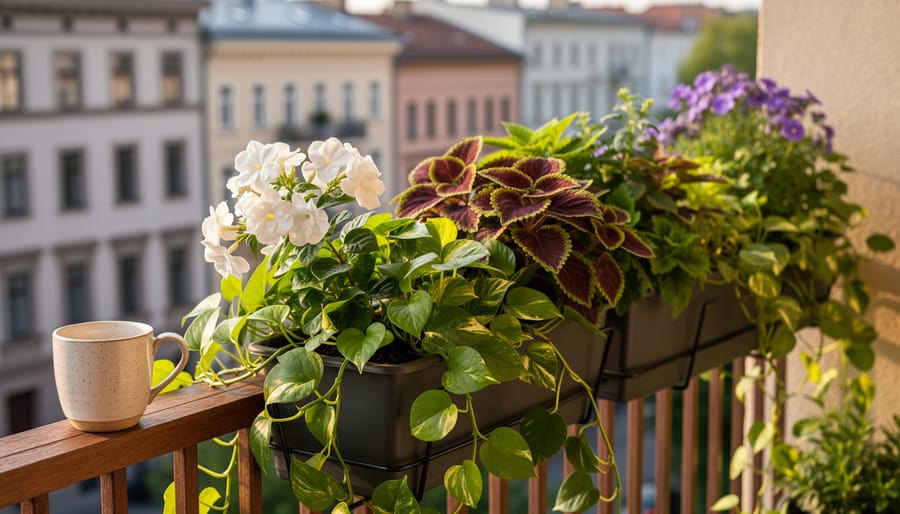
Leisure gardening means growing plants purely for enjoyment, not for maximum yield or self-sufficiency, and in 2026 it’s becoming the antidote to hustle culture that burned out a generation of hobby gardeners. Instead of meticulously planned beds and strict harvesting schedules, you’re planting what looks beautiful, smells good, or simply makes you happy when you walk outside with your morning coffee. No pressure to preserve 40 pounds of tomatoes or justify every square foot of space.
The shift reflects a broader cultural change. People discovered during the gardening boom of the early 2020s that turning a hobby into an optimization project strips away the very stress relief they were seeking. Leisure gardening flips that script entirely. You grow three types of basil because you like the way they look together, not because you need to stock a year’s worth of pesto. You let the cosmos self-seed wherever they want. You dedicate half your balcony to fragrant jasmine that serves no purpose except making your evenings nicer.
For Austin gardeners working with limited outdoor space, this approach feels liberating. Vertical gardening setups become showcases for trailing pothos and colorful coleus rather than cramped vegetable factories. Container gardens hold whatever caught your eye at the nursery last weekend. The goal is simple: if tending your plants feels like another chore on your to-do list, you’re doing it wrong. Leisure gardening invites you to grow things that spark joy, water when you remember, and skip the guilt when life gets busy.
What Makes Leisure Gardening Different
Leisure gardening flips the script on what it means to tend plants. Instead of obsessing over harvest yields, pest control schedules, or picture-perfect flower beds, it treats your garden as a place to unwind and enjoy the process. Think of it as the difference between running a marathon and taking a walk in the park, both involve movement, but only one requires a stopwatch and a training plan.
Traditional gardening often comes with pressure. There are planting calendars to follow, specific fertilizer ratios to calculate, and the nagging feeling that you’re failing if your tomatoes aren’t Instagram-worthy. Production gardening cranks this intensity even higher, focusing on maximizing yield and efficiency. Leisure gardening, by contrast, asks a simpler question: Does this bring you joy?
The mental health benefits are real. Research shows that community gardening reduces stress and improves wellbeing, and leisure gardening extends these benefits by removing the performance anxiety. You’re not competing with anyone or racing against deadlines. If a plant thrives, great. If it doesn’t, you learned something and moved on without guilt.
This approach also unlocks creative fulfillment in ways goal-driven gardening can’t. You can experiment with unusual plant combinations just because you like how they look together, rearrange containers on a whim, or spend an entire afternoon simply observing how light filters through leaves. The garden becomes a sanctuary rather than a project list, and that shift changes everything about how you engage with it.
Why Leisure Gardening Is Gaining Momentum in 2026
The leisure gardening movement is gathering serious momentum in 2026, and it’s not hard to understand why. After years of grind culture and screens demanding constant attention, people are craving activities that feel restorative rather than exhausting. Gardening has always offered that escape, but the leisure approach strips away the pressure to produce perfect yields or maintain Instagram-worthy landscapes. It’s gardening reimagined as pure enjoyment, a low-stakes hobby that fits into chaotic urban lives without adding to the to-do list.
The lifestyle shifts we’ve seen since the pandemic continue to reshape how people spend their time. Remote and hybrid work arrangements persist, giving urban dwellers more flexibility to step outside during daylight hours. That midday break becomes a chance to water a few plants or simply sit with a coffee near some greenery, rather than scrolling through lunch. There’s also a noticeable pushback against digital overload. Leisure gardening offers something tangible and analog, a way to disconnect that doesn’t require a meditation app or another subscription.
Urban gardening solutions have become remarkably accessible, making it easier than ever to start small. Vertical gardens, self-watering containers, and beginner-friendly plant varieties remove traditional barriers like lack of space or expertise. You don’t need a yard or advanced horticultural knowledge anymore. A balcony and curiosity are enough.
The trend is showing up in unexpected places. Events like the Southern Alberta Home, Garden & Leisure Show, running March 12-14, 2026 at the Lethbridge Trade and Convention Centre, and the Northumberland Home, Garden & Leisure Show returning to the Cobourg Community Centre May 30-31, signal that leisure gardening has moved beyond niche circles into mainstream interest. These shows reflect what people want right now: approachable, enjoyable outdoor pursuits that don’t demand perfection, just presence.
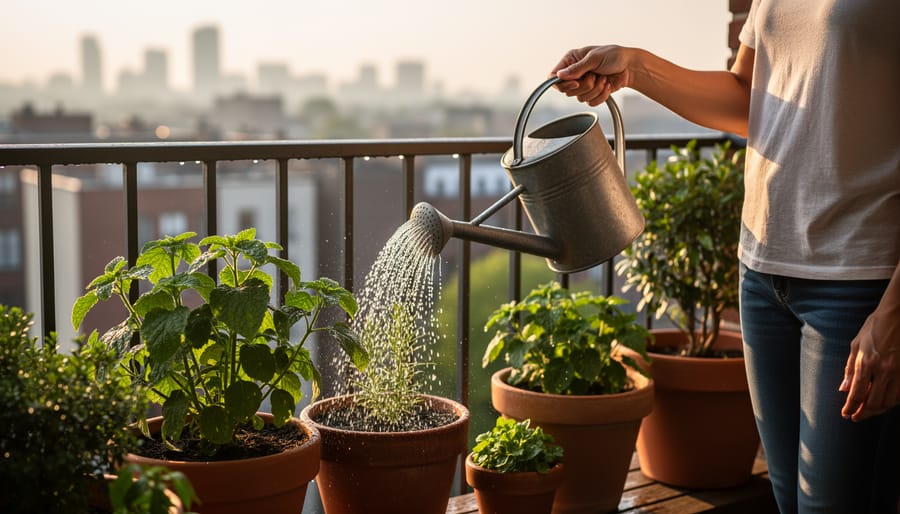
Leisure Gardening for Austin’s Urban Spaces
Vertical Gardens: Your Low-Effort, High-Joy Solution
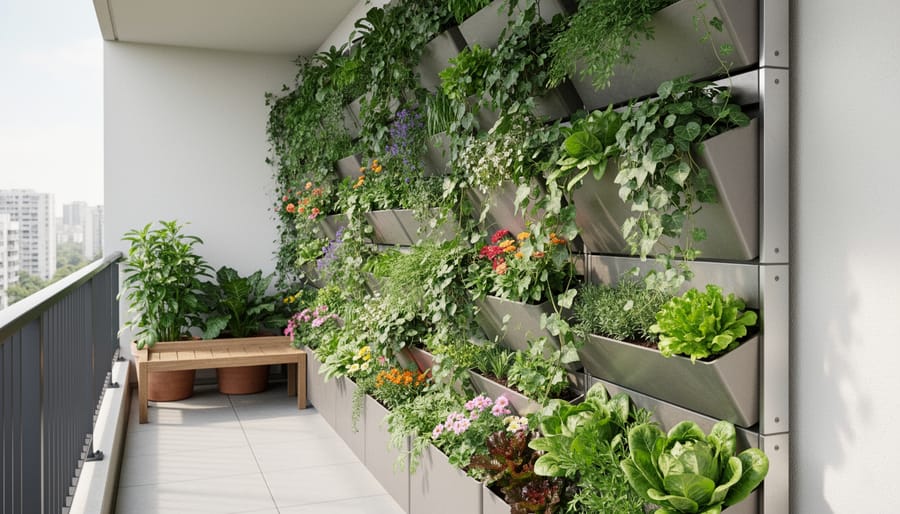
Vertical gardens flip the script on traditional gardening by growing up instead of out, making them the perfect match for leisure gardening’s low-stress philosophy. If you’re working with a small Austin balcony or patio, you can create a lush, productive garden without claiming every square foot of floor space. The real beauty is how little effort they demand once you’ve got them set up, plants arranged vertically tend to stay cleaner, drain better, and suffer fewer pest problems than ground-level beds.
For Austin’s climate, vertical setups offer a practical advantage: you can move them into shade during brutal afternoon sun or bring delicate herbs closer to your door when temperatures spike. Wall-mounted planters, tower systems, and hanging pockets all work beautifully, and many pair naturally with container gardening basics you might already know. You water from the top, gravity does the work, and you’re done in minutes.
The visual payoff is immediate and satisfying, there’s something genuinely joyful about stepping outside to a wall of greenery that you didn’t have to weed, till, or wrestle into shape. Herbs like basil and oregano thrive in vertical pockets, cherry tomatoes cascade beautifully, and succulents add texture without any fuss. You get the relaxation and creative fulfillment of gardening without the back-breaking labor or weekend-consuming maintenance schedules that can turn a hobby into a chore.
Getting Started: Your First Leisure Garden Project
Plants That Practically Take Care of Themselves
The easiest way to embrace leisure gardening is choosing plants that thrive with minimal fussing. In Austin’s climate, basil and mint make a perfect beginner herb garden they love heat, forgive occasional watering lapses, and reward you with fresh flavors for your kitchen. Mint grows so enthusiastically it practically tends itself, though you’ll want to contain it in a pot to prevent takeover.
Succulents are the ultimate low-pressure choice for leisure gardeners. Varieties like sedum and echeveria tolerate Austin’s scorching summers and need watering only when the soil dries completely. They’re nearly impossible to kill with neglect.
For color without commitment, zinnias are your friend. Scatter seeds in spring, water occasionally, and they’ll bloom reliably through fall with zero deadheading required. Cherry tomatoes also fit the leisure philosophy, choose patio varieties, give them a sunny spot and consistent water, and you’ll harvest handfuls of fruit all summer without intensive care.
These selections make it simple to keep plants alive while still feeling like a successful gardener, which is exactly the point.
Making It Truly Leisurely: Tips to Keep It Fun
The secret to keeping gardening leisurely isn’t finding more time or better plants. It’s permission to break all the rules that made gardening feel like work in the first place.
Start by ditching the idea that your garden needs to look Instagram-perfect or produce bushels of tomatoes. Your only job is to enjoy the process. Water when you remember, prune when it feels right, and skip a week if life gets busy. Real leisure gardening means your garden fits around your life, not the other way around.
Make your garden space somewhere you actually want to be. Add a comfortable chair, keep a speaker nearby for music or podcasts, and treat your watering time as coffee-on-the-balcony time. Some of the best leisure gardeners spend more time sitting with their plants than fussing over them. That’s not lazy, that’s the whole point.
Learn to let go without guilt. Plants die. It happens to everyone, and it doesn’t mean you failed. A wilted basil plant just means you tried something, enjoyed it while it lasted, and now you know what works for your space and routine. Replace it or don’t. There’s zero obligation to maintain a perfect streak.
Keep a casual approach to maintenance by grouping plants with similar needs together and choosing a watering schedule that matches your lifestyle, not some rigid calendar. If you travel often, lean into succulents and drought-tolerant herbs. If you’re home most evenings, herbs that need frequent snipping give you something to do without pressure.
The moment gardening stops being fun is the moment to step back, simplify, or try something completely different. Your garden should recharge you, not drain you.
Local Resources and Inspiration in Austin
Austin’s gardening community is quietly building a support network perfect for the leisure gardening mindset. You don’t need to commit to a full semester course or join a formal club, plenty of local options let you dip in at your own pace.
Private gardening classes around Austin offer personalized, low-pressure instruction that fits the leisure approach beautifully. You can book a one-on-one session to learn vertical garden setup or container basics without the intimidation of a group setting. Several local garden centers and independent instructors offer these consultations, letting you ask questions specific to your space and schedule.
If you’d rather skip the setup phase entirely, Austin’s potting services will deliver planted containers ready to enjoy. You choose your plants and aesthetic, they handle the dirty work, and you start with a finished garden that’s already thriving. It’s leisure gardening at its most accessible.
The growing momentum behind leisure gardening nationwide, reflected in events like the Southern Alberta Home, Garden & Leisure Show in March 2026 and the Northumberland show returning in May, signals that the industry is finally catching up to what beginners actually want: approachable entry points without the pressure. That shift is trickling into local offerings, making it easier than ever to explore gardening as a genuine leisure activity rather than a test of horticultural skill. Check in with your neighborhood nursery or search for Austin garden consultants to find your best starting point.
Leisure gardening isn’t about mastering perfect rows or hitting harvest quotas. It’s about stepping outside with your coffee, noticing a new leaf unfurling, and feeling genuinely good about it. That’s the whole point. You’re not failing if your basil gets leggy or your tomatoes stay green longer than expected, you’re learning what works in your space and enjoying the process along the way.
Start with one small project. A vertical planter on your balcony. Three pots of herbs by the kitchen window. Whatever feels manageable and sounds fun. The beauty of leisure gardening is that there’s no finish line, no competition, just you creating a little green space that makes your day better.
If you’re not sure where to begin, consider a vertical garden setup, it’s low-maintenance, fits Austin’s urban spaces perfectly, and gives you immediate visual satisfaction without the pressure. Or take a local class to ease in with guidance and meet others who garden for the same reasons you do. Your version of garden leisure is waiting, and it starts smaller and simpler than you think.