
How to Start Gardening in a Small Space: From Balcony to Backyard Corner
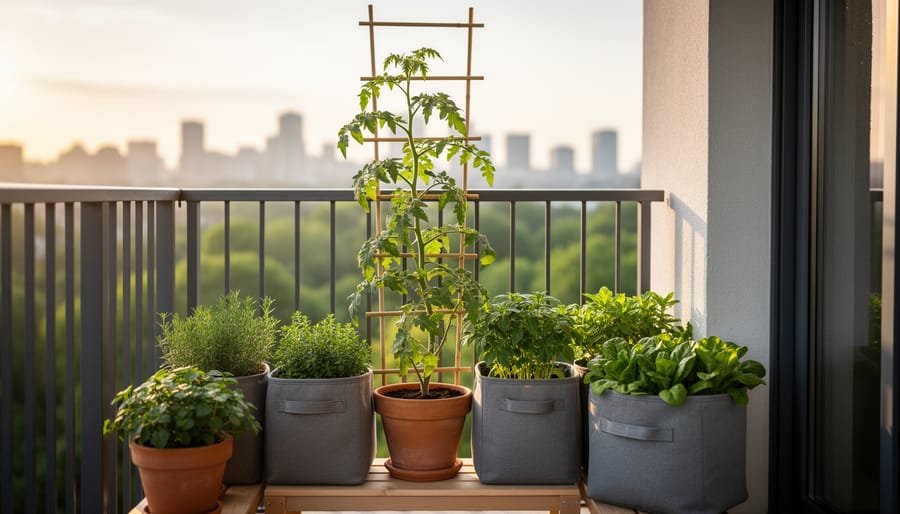
You can absolutely grow a thriving garden in a small space, and the secret is vertical thinking. Whether you’re working with a cramped Austin balcony, a narrow patio, or just a sunny windowsill, container gardening combined with vertical structures lets you maximize every square inch without sacrificing variety or yield. The process is straightforward: choose compact or vining plants, set up vertical supports like trellises or wall planters, and manage your containers for optimal drainage and soil health.
Small space gardening has exploded in popularity across urban Austin neighborhoods, and for good reason. Limited square footage doesn’t mean limited possibilities. In fact, growing upward instead of outward opens up opportunities most traditional gardeners never consider. You’ll discover that herbs, tomatoes, peppers, and leafy greens thrive in containers when given the right conditions, and vertical systems can turn a blank wall into a productive growing surface.
This guide walks you through the exact setup, from selecting the right containers and soil mix to installing vertical supports that can handle our Texas heat. You’ll learn how to position plants for maximum sun exposure (crucial during Austin’s intense summers), establish a watering routine that prevents both drought stress and root rot, and troubleshoot common issues like leggy growth or nutrient deficiencies. By the end, you’ll have a clear roadmap to transform even the tiniest outdoor area into a productive garden that delivers fresh produce and beauty throughout the growing season.
What You’ll Need to Get Started
Starting a small space garden doesn’t require a shed full of equipment. In fact, one of the benefits of gardening on a balcony or patio is that you can begin with just a handful of essentials and add more as you learn what works for your space.
Containers and Growing Spaces
Your containers are the foundation of a small space garden. Look for pots with drainage holes in the bottom, this is non-negotiable for healthy plants. For Austin’s intense summer heat, choose light-colored plastic or glazed ceramic containers that won’t absorb as much heat and stress plant roots. Terra cotta is beautiful but dries out fast in our climate. Start with containers at least 8-10 inches deep for most herbs and vegetables, and go deeper (12-18 inches) for tomatoes, peppers, or root vegetables.
Self-watering containers are worth considering if you travel or work long hours. They have a reservoir that keeps soil consistently moist without daily watering, which is a lifesaver during Austin’s 100-degree stretches.
Soil and Amendments
Skip the cheap “garden soil” bags. You need a high-quality potting mix specifically formulated for containers, it’s lighter, drains better, and won’t compact like ground soil. Look for mixes that contain perlite or vermiculite for drainage. In Austin’s heat, mixing in coconut coir or extra compost helps retain moisture without creating soggy conditions that lead to root rot.
Essential Tools and Equipment
Here’s what you actually need to get started:
- Hand trowel and cultivator for planting and loosening soil in tight spaces
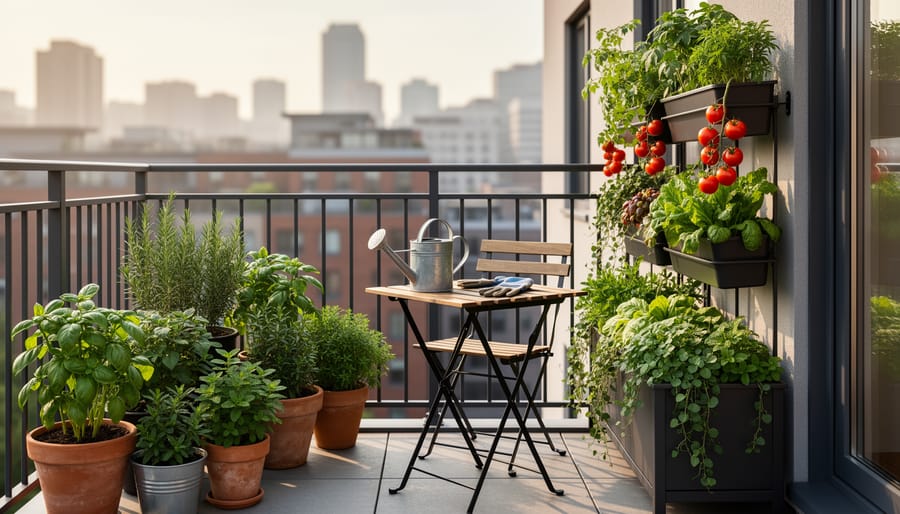
- Watering can with a narrow spout or a hose with a spray nozzle for controlled watering
- Pruning shears or scissors for harvesting and trimming
- Gardening gloves to protect your hands and keep them clean
- Moisture meter (optional but helpful) to check when plants actually need water
- Vertical supports like tomato cages, small trellises, or stakes for vining plants
If you’re planning vertical gardening, add wall-mounted planters, hanging baskets with sturdy hooks, or a simple bamboo trellis. Make sure any wall-mounted system is rated for outdoor use and properly anchored, Austin’s occasional strong winds can pull poorly secured planters right off the wall.
A small bag of organic fertilizer rounds out your starter kit. Container plants need regular feeding since frequent watering leaches nutrients from the soil faster than in-ground gardens.
Before You Plant: Important Safety and Setup Considerations
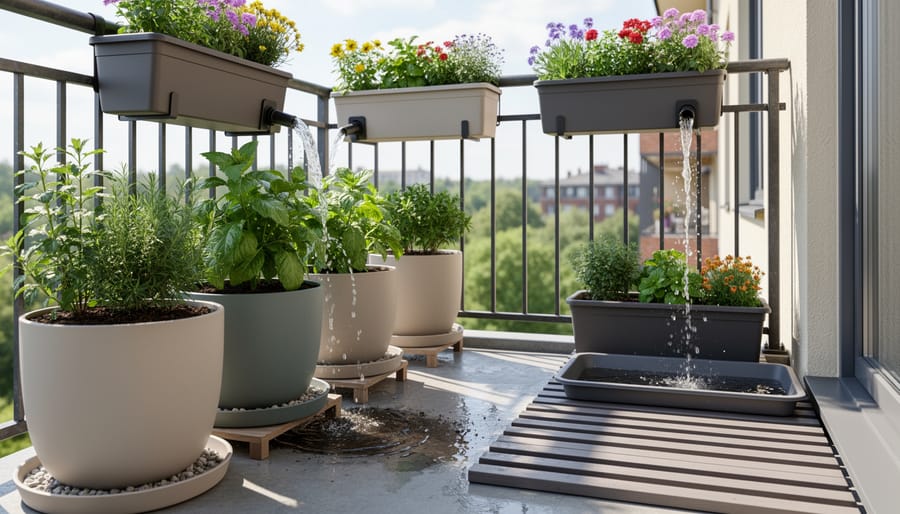
Before you start filling containers with soil and plants, take time to ensure your space can safely support a garden. A balcony full of wet soil and pots can weigh hundreds of pounds, so check your building’s weight capacity guidelines or consult your landlord or property manager. Most modern balconies handle 50-100 pounds per square foot, but older structures may have lower limits. Distribute weight evenly across the space rather than clustering everything in one corner, and consider lightweight potting mix instead of garden soil, it can weigh 40% less when saturated.
Water damage is another serious concern. Without proper drainage, excess water will pool under containers and seep into floors, potentially causing structural damage or leaking into units below. Use saucers or trays to catch runoff, but empty them regularly so roots don’t sit in standing water. If you’re on a wooden deck or balcony, elevate containers slightly with pot feet to allow air circulation underneath and prevent rot.
Check your lease, HOA rules, or building codes before you begin. Some communities restrict container placement, prohibit drilling into walls for vertical structures, or limit the types of plants you can grow. In Austin, this is especially common in historic districts or condos with strict exterior appearance guidelines.
Finally, be mindful of container materials in Austin’s intense summer heat. Black plastic pots can reach scorching temperatures that cook roots, and some cheaper plastics may leach chemicals into soil. Stick with food-safe containers, glazed ceramic, or light-colored materials that reflect heat rather than absorb it.
Step-by-Step: Setting Up Your Small Space Garden
Maximizing Vertical Space
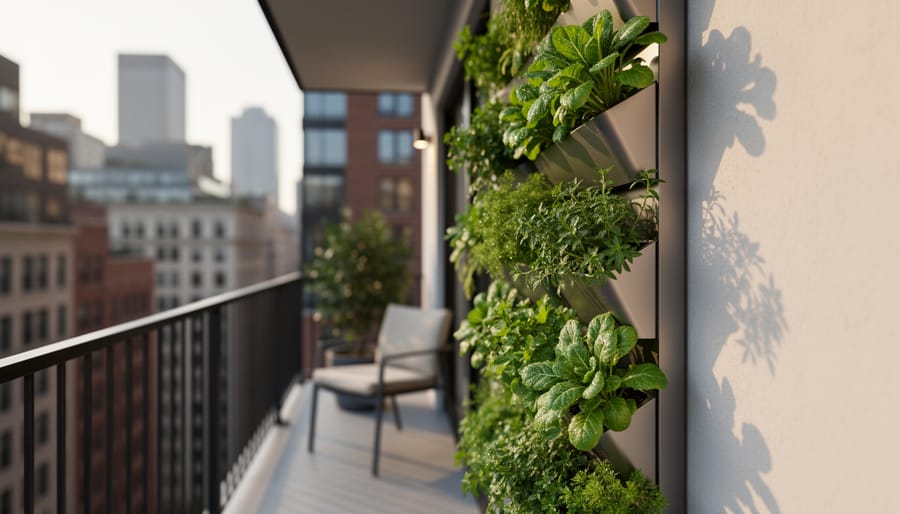
Vertical solutions multiply your growing area without claiming precious floor space. Wall planters work beautifully for herbs and shallow-rooted greens, mount them securely with heavy-duty anchors rated for outdoor use, and in Austin, position them on east or north walls to escape the brutal afternoon sun. Trellises turn climbing plants like beans, cucumbers, and cherry tomatoes into productive vertical crops; anchor the base with stakes driven deep into containers or soil, and use zip ties rather than twine to secure vines in our gusty spring winds.
Hanging baskets add layers of interest and suit strawberries, trailing herbs, and compact peppers. Choose baskets with built-in water reservoirs to reduce daily watering in summer heat, and hang them from reinforced hooks, calculate the weight when soil is saturated, not dry. Tiered shelving or ladder-style plant stands let you stack multiple container gardening ideas in a compact footprint, ideal for balconies or patios. Place heat-sensitive plants on lower tiers where they catch some shade from upper containers.
Before installing any vertical structure, check your Austin gardening zone requirements and verify load limits if you’re on a balcony. During summer, mist vertical plantings more frequently, elevated containers dry out faster than ground-level ones. Secure everything with weatherproof hardware; lightweight structures can topple in thunderstorms or sudden gusts.
Know When Your Garden Is Thriving
Your garden is working when you see new growth within 7-10 days of planting, fresh leaves unfurling, stems reaching upward, and a vibrant green color that signals healthy photosynthesis. In Austin’s heat, plants may grow slower during July and August, but consistent new leaves and buds mean your setup is sound. Check that water drains freely from container bottoms within a few seconds of watering; if it pools or takes minutes to drain, you risk root rot and need to add drainage holes or switch to a lighter soil mix.
Struggling plants show yellowing lower leaves (often overwatering), crispy brown edges (underwatering or heat stress), or leggy, stretched stems reaching toward light (insufficient sun). If growth stalls for two weeks or more, reassess your light conditions, most edibles need at least six hours of direct sun, while shade-tolerant herbs and greens can manage with four. Move containers as needed; small space gardening gives you that flexibility.
Once your initial plantings thrive, plan your next steps. Rotate cool-season crops like lettuce and spinach in fall, then switch to heat-lovers like peppers and tomatoes in spring. Austin’s mild winters let you garden year-round if you keep plants alive through occasional freezes with frost cloth. Start a simple log noting what works in each spot, sun hours, which varieties flourished, when you watered, so you refine your approach each season.
Connect with local resources to grow your skills. Austin’s urban gardening meetups, weekend workshops at community gardens, and seasonal plant swaps offer hands-on learning and fellow small space gardeners who understand your challenges. Expanding your garden means adding one or two new containers at a time, testing vertical structures, or trying a new crop, build confidence through small, deliberate experiments rather than overwhelming yourself.
Common Questions About Small Space Gardening
How much sun does my small space garden actually need?
Most vegetables and herbs need at least six hours of direct sunlight daily, but many leafy greens and herbs will tolerate four to five hours. If your space gets less than that, focus on shade-tolerant plants like lettuce, spinach, and mint rather than tomatoes or peppers.
What if I only have a shady balcony?
Shade gardening works fine for leafy greens, herbs like parsley and cilantro, and ornamentals such as coleus or ferns. Austin’s intense summer heat can actually make partial shade a blessing, reducing water stress on plants that would struggle in full sun.
How often should I water containers in Austin’s heat?
During summer, most small containers need daily watering, sometimes twice a day for shallow pots in full sun. Stick your finger an inch into the soil; if it feels dry, water until it drains from the bottom. Larger containers hold moisture longer and may only need watering every other day.
Can I really grow vegetables in containers?
Absolutely. Tomatoes, peppers, lettuce, radishes, beans, and most herbs thrive in containers with proper depth and drainage. Choose compact or dwarf varieties bred for containers, and make sure pots are at least 12 inches deep for root vegetables and 5 gallons for larger plants like tomatoes.
What grows best in Austin’s brutal summer heat?
Heat-loving crops like okra, cherry tomatoes, peppers, basil, and Armenian cucumber excel in Austin summers. Native or adapted plants such as purslane and amaranth also handle the heat. For cooler months, switch to greens, broccoli, and root vegetables.
How do I deal with pests when everything’s right outside my door?
Small space gardening actually makes pest management easier, you notice problems quickly. Hand-pick larger pests like caterpillars, use neem oil spray for aphids, and encourage beneficial insects with herbs like dill and fennel. For more strategies, check out our organic gardening tips that work perfectly in tight quarters.
The beauty of container gardening is that you control the soil quality and can move plants around as needs change. If a spot isn’t working, shift the pot to a better location. Start with one or two plants to get a feel for your space’s quirks, then expand once you understand the light patterns and watering rhythm. Small space gardening rewards observation and quick adjustments more than rigid planning.
Starting a garden in a small space isn’t just possible, it’s one of the most rewarding ways to connect with nature right where you live. Whether you’ve got a sunny balcony, a shaded patio, or just a windowsill, you can grow fresh herbs, vibrant flowers, or even vegetables that thrive in Austin’s climate. Begin with one or two containers, experiment with what works in your specific light and weather conditions, and don’t hesitate to try vertical solutions as you gain confidence.
As compact and vertical gardening continues to evolve in 2026, the options for urban growers keep expanding. If you need supplies, want hands-on guidance, or are curious about classes tailored to Austin gardeners, Gardens Austin Designers offers personalized support to help you succeed. Your small space garden is waiting, start planting today.