

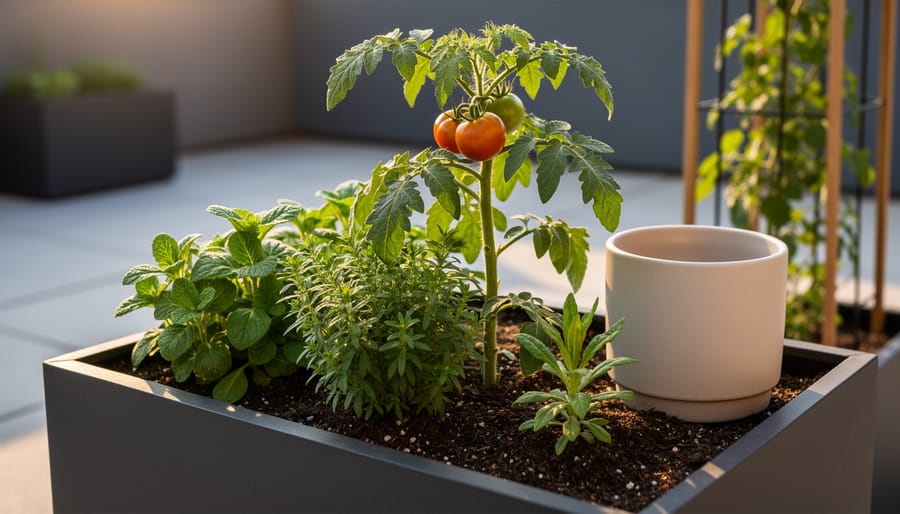
Organic gardening products are fertilizers, soil amendments, pest controls, and plant treatments made from natural sources without synthetic chemicals, designed to nurture your plants while protecting soil health and beneficial insects. For Austin gardeners working with container setups or vertical gardens, choosing the right organic products means understanding USDA organic certification standards, matching products to your specific growing conditions, and knowing when to invest in premium options versus budget-friendly alternatives.
The shift to organic gardening isn’t complicated, but the sheer number of products labeled “natural” or “eco-friendly” can feel overwhelming. Not everything marketed as organic meets USDA certification standards, and some products work brilliantly in traditional gardens but fall short in containers or vertical systems where drainage, weight, and space limitations change the rules entirely.
Austin’s alkaline soil and intense summer heat add another layer to product selection. The compost that thrives in Portland might not address our high pH challenges, and that trendy pest spray could evaporate before it does any good in 105-degree afternoons. Urban gardeners also need products that fit within the constraints of small space trends balancing effectiveness with storage realities and neighbor-friendly application methods.
This guide breaks down which organic products deserve space in your gardening toolkit, how to spot quality formulations, and where you can save money without sacrificing results. You’ll learn to decode labels, match products to your growing setup, and build a practical organic system that actually works in Central Texas conditions.
What Makes a Gardening Product Truly Organic
When you pick up a product labeled “organic” at the garden center, you’re trusting that it meets certain standards, but what does that actually mean? True organic certification requires products to pass rigorous testing by independent organizations that verify every ingredient meets organic agriculture standards. In the U.S., the OMRI (Organic Materials Review Institute) seal is the gold standard you’ll want to look for on fertilizers, pest controls, and soil amendments.
OMRI-listed products contain only ingredients approved for organic production, which means no synthetic pesticides, chemical fertilizers, or genetically modified organisms. The certification process examines not just the active ingredients but also the inert fillers, binders, and additives that manufacturers include. This matters tremendously in urban gardens where you’re working in confined spaces, often with kids playing nearby or pets that might nibble on plants.
When reading labels, prioritize products listing recognizable ingredients like fish emulsion, kelp meal, neem oil, or compost. Avoid anything with synthetic chelates, urea-formaldehyde, or chemical names you can’t pronounce. In urban settings with limited ventilation, this distinction becomes even more important since you’re not dealing with open fields where air circulation dilutes fumes.
The “why organic matters” question hits differently when you’re gardening on a balcony where your kids eat snacks or in a courtyard where your dog lounges. Synthetic residues can concentrate in containers, persist on surfaces, and affect the beneficial microbes that keep potting soil healthy. Organic products work with your garden’s ecosystem rather than against it, building long-term soil health instead of delivering quick chemical fixes that leave your plants dependent on the next application.
Essential Organic Products Every Austin Gardener Should Have
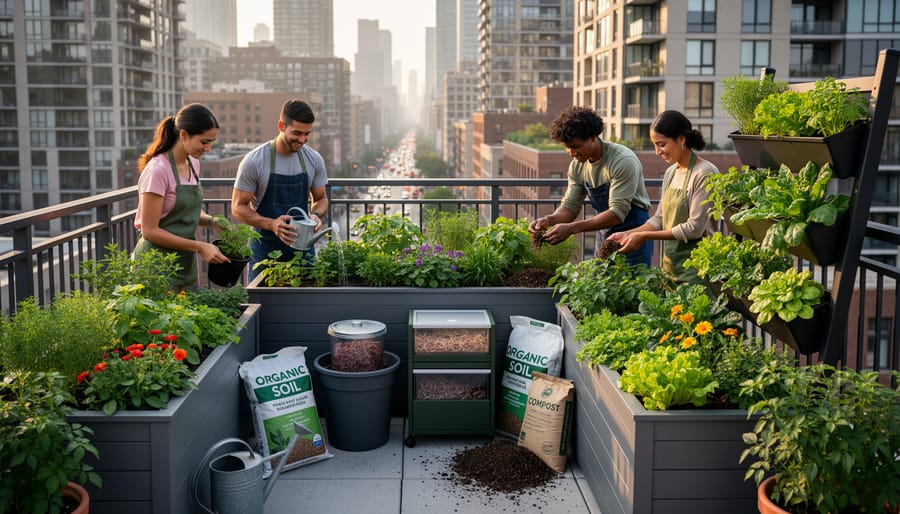
Organic Soil and Amendments
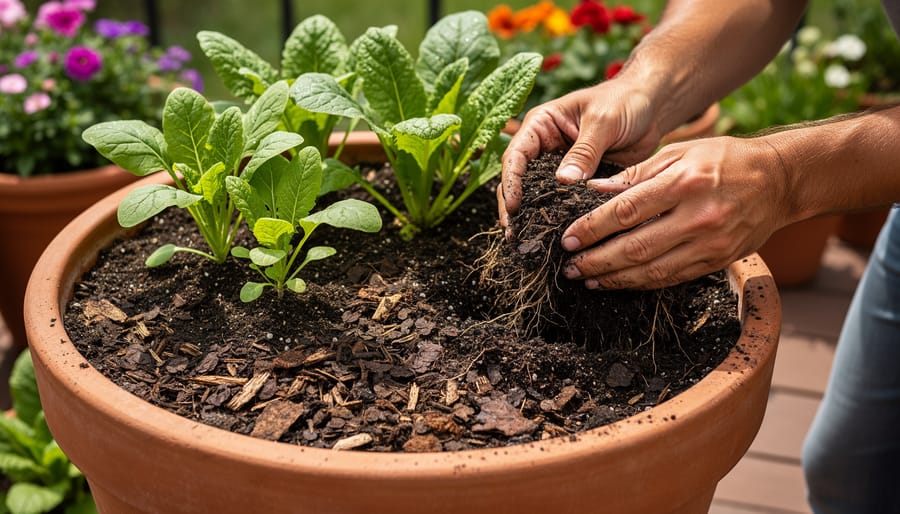
A quality potting mix forms the foundation of any successful container garden, and choosing organic options matters even more in urban spaces where soil volume is limited and plants rely entirely on what you provide. For Austin’s container gardens, you need a mix that balances moisture retention with excellent drainage, since our hot summers can dry out pots quickly while our occasional heavy rains can waterlog them just as fast.
Look for organic potting mixes specifically labeled for containers rather than garden soil. The best options contain:
- Aged compost or composted bark for nutrients and structure
- Coconut coir or peat moss for moisture retention
- Perlite or pumice for drainage and aeration
- Worm castings for slow-release nutrition
- Mycorrhizal fungi to help roots absorb nutrients
Avoid mixes with synthetic fertilizers, chemical wetting agents, or moisture-retaining crystals. These conflict with organic gardening principles and can create salt buildup in containers.
Austin’s alkaline tap water and naturally alkaline soil mean your potting mix will gradually become more alkaline over time. Counter this with organic amendments like sulfur or coffee grounds mixed into your potting soil at the start of each season. For established containers, top-dress annually with fresh compost to replenish nutrients and introduce beneficial microbes.
When shopping for urban gardening products choose smaller bags of potting mix unless you have dozens of containers. Organic mixes contain living organisms that work best when fresh, and a 20-pound bag stored in a cool, dry spot will serve most balcony or patio gardens for a full season. Consider mixing your own amendments into a base organic potting soil rather than buying pre-amended specialty mixes, which often cost more while offering less flexibility.
Natural Pest Control Solutions
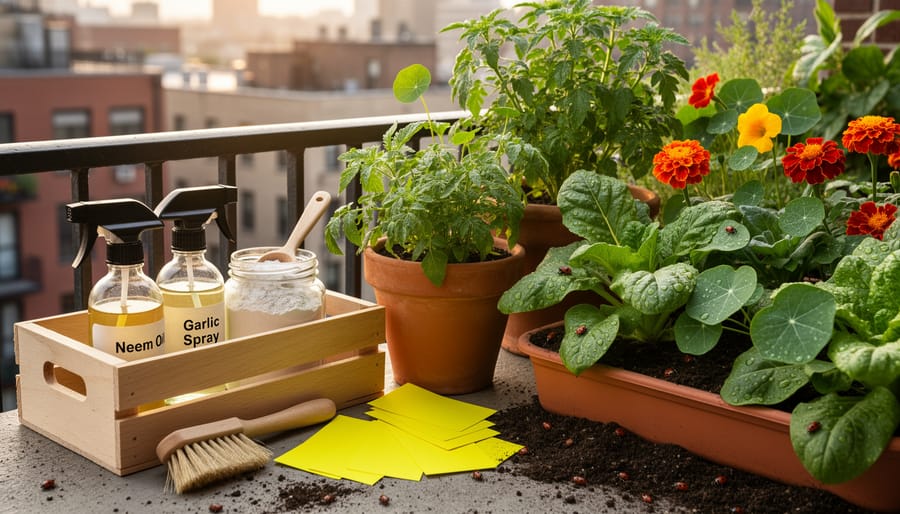
Austin’s warm climate attracts persistent pests that love cramped container gardens. Aphids cluster on tender new growth, whiteflies cloud up when you brush past plants, and spider mites thrive in the heat. The good news? Organic pest control works exceptionally well in small urban spaces where you can catch problems early.
Neem oil stands out as the workhorse solution for most common pests. This botanical extract disrupts insect feeding and reproduction without harming beneficial insects when applied correctly. Mix one to two tablespoons per gallon of water, add a drop of dish soap to help it stick, and spray in early morning or evening to avoid leaf burn. Reapply every seven to ten days and after rain. Neem works slowly but effectively against aphids, whiteflies, and spider mites.
Insecticidal soaps offer faster knockdown for immediate infestations. These potassium-based soaps kill soft-bodied pests on contact by breaking down their protective coatings. Spray thoroughly, hitting leaf undersides where pests hide. The main limitation is you must directly coat the insects, so coverage matters more than product strength.
Consider attracting beneficial insects rather than just killing pests. Plant alyssum, yarrow, or fennel in a few containers to draw lacewings and ladybugs, which devour aphids and mites. For vertical gardens, tuck small pots of these plants at the base or on shelves between your food crops.
Diatomaceous earth works for crawling pests like ants or earwigs but loses effectiveness when wet. Sprinkle food-grade DE around container bases, reapplying after watering. In Austin’s humidity, check weekly that it remains dry and powdery to stay effective.
Organic Fertilizers That Work in Containers
Container gardens eat through nutrients faster than you’d think. With limited soil volume and frequent watering washing minerals away, your plants need regular feeding to stay productive. The good news is organic fertilizers work beautifully in containers when you choose the right types and use them properly.
Slow-release granular fertilizers like composted chicken manure pellets or plant-based blends provide steady nutrition for 6-8 weeks. Scratch them into the top inch of soil at planting time, then reapply every two months during the growing season. Look for NPK ratios around 4-4-4 or 5-5-5, which won’t overwhelm container plants. These work especially well for tomatoes, peppers, and herbs in Austin’s long growing season.
Liquid organic fertilizers act faster when plants show deficiency signs like yellowing leaves. Fish emulsion and kelp-based feeds dilute in water and absorb quickly through roots and foliage. Apply every two weeks during active growth, cutting back to monthly in fall. Mix at half the recommended strength for container plants since you’re feeding more frequently than ground gardens require.
Compost tea brings beneficial microbes along with nutrients. Steep finished compost in water for 24-48 hours, strain, and apply as a soil drench or foliar spray. It’s gentler than concentrated fertilizers and improves soil biology in containers that don’t benefit from earthworm activity.
The key is consistency. Container plants can’t reach deeper soil when surface nutrients run out, so stick to a regular feeding schedule rather than waiting for problems to appear.
Mulches and Ground Covers
Container gardens face a unique challenge in Austin’s heat: soil dries out fast, and exposed surfaces can bake roots. A two-inch layer of organic mulch solves both problems without adding much weight to your pots.
Shredded hardwood bark works well for larger containers, it breaks down slowly and won’t blow away. For smaller pots and vertical planters, try fine-textured coconut coir or composted wood chips that stay put and look tidy. Avoid cypress mulch (not sustainably sourced) and dyed products, which can leach chemicals.
Here’s the key: pull mulch back an inch from plant stems to prevent rot and fungal issues. In tiered or wall-mounted systems where drainage matters most, a thin layer does the job, you’re aiming for moisture retention, not suffocation. Refresh mulch mid-summer as it decomposes, and you’ll water less while keeping roots cool.
Organic Products for Specific Urban Garden Challenges
Urban gardening in Austin brings unique challenges that conventional products often mask rather than solve. The key is matching organic solutions to your specific situation instead of reaching for the same bottle every time.
Heat stress hits container gardens especially hard. When temperatures soar above 95°F, plants lose moisture faster than roots can replace it, even with daily watering. Beyond consistent irrigation, apply a thin layer of organic coconut coir or shredded bark mulch to container surfaces. This reduces soil temperature by 10-15 degrees and cuts water evaporation by half. For vertical gardens where weight matters, coconut coir works better than heavier wood mulches. Spray kelp-based foliar fertilizers in early morning during heat waves; the natural plant hormones help cells retain moisture and recover faster from stress.
Fungal diseases thrive in Austin’s humidity, particularly in crowded container arrangements where air circulation suffers. Powdery mildew and leaf spot spread quickly when foliage stays damp overnight. Mix one tablespoon of baking soda with a gallon of water and add a few drops of liquid castile soap, then spray affected plants weekly. For persistent problems, sulfur-based organic fungicides work without the toxicity concerns of synthetic options. The real solution lies in prevention: space containers to allow airflow, water at soil level rather than overhead, and remove infected leaves promptly.
| Problem | Organic Solution | Best Timing |
|---|---|---|
| Heat Stress | Kelp foliar spray + mulch layer | Early morning during heat waves |
| Fungal Disease | Baking soda solution or sulfur spray | Weekly at first sign of infection |
| Nutrient Deficiency | Fish emulsion or worm castings tea | Every 2-3 weeks during growing season |
| Persistent Pest Pressure | Neem oil or insecticidal soap rotation | Every 5-7 days until controlled |
Nutrient deficiencies show up faster in containers since plants exhaust the limited soil volume. Yellowing leaves often signal nitrogen shortage, while purple-tinged foliage indicates phosphorus deficiency. Fish emulsion provides quick nitrogen that plants absorb within days, though the smell can be strong in enclosed patios. Worm casting tea offers a gentler option that feeds beneficial soil microbes while delivering balanced nutrients. Apply either every two to three weeks during active growth rather than trying to fix deficiencies with a single heavy dose.
Persistent pest pressure in small spaces requires rotation between organic controls. Aphids and whiteflies develop resistance when you use the same product repeatedly. Alternate between neem oil and insecticidal soap every five to seven days. Neem disrupts insect hormones while soap dissolves their protective coating, so switching between them hits pests from different angles. For additional organic garden tips that address prevention alongside treatment, companion planting with herbs like basil and cilantro naturally repels many common pests while maximizing your growing space.
Making Organic Products Work in Vertical Gardens
Vertical gardens present unique challenges that require adapting how you use organic products. The limited soil volume and vertical orientation change everything from weight distribution to water flow.
Start with lightweight organic potting mixes specifically formulated for containers. Heavy, dense soils cause structural stress on wall mounts and tire out tiered systems. Look for mixes with perlite, coconut coir, or vermiculite as primary components. These retain moisture without the heft of traditional compost-heavy blends. A quality lightweight mix weighs about 75 pounds per cubic foot when wet, compared to 100+ pounds for standard potting soil.
Weight matters even more with organic fertilizers. Skip dense granular products and choose liquid organic feeds or lightweight pellets instead. Fish emulsion and seaweed extracts work exceptionally well because you dilute them in water, adding nutrients without adding mass. Apply these every two weeks during the growing season, adjusting based on your Austin gardening zone and plant needs.
Drainage becomes critical in vertical setups where gravity pulls water straight down through multiple levels. Use organic mulches sparingly at the top to prevent washing through lower tiers. Thin layers of shredded bark or coconut fiber work better than chunky wood chips that can clog drainage points.
For pest control in vertical gardens, stick with spray applications rather than granular products. Neem oil and insecticidal soaps reach all plant surfaces when applied from multiple angles. Spray from bottom to top to ensure coverage without runoff pooling in lower pockets.
Test your vertical structure’s weight capacity before adding amendments. Most wall-mounted systems safely hold 10-15 pounds per square foot, but always verify with your specific setup before loading it with wet soil and products.
How to Shop Smart for Organic Gardening Products
Shopping for organic gardening products in Austin doesn’t have to drain your wallet or leave you confused by slick marketing. Start by reading labels carefully, look for OMRI (Organic Materials Review Institute) certification or USDA Organic stamps, which guarantee the product meets actual organic standards rather than just sounding natural. When browsing local nurseries or online shops, compare the active ingredients across brands, not just the front-of-package claims. You’ll often find that a less expensive option contains the same organic materials as a premium brand with fancier packaging.
Before buying anything, assess what your specific garden actually needs. A balcony tomato garden requires different products than a vertical herb wall, and Austin’s unique climate means you can skip certain items entirely. Don’t fall for “complete garden system” kits that bundle products you won’t use, build your supply gradually based on real problems you encounter. Watch for these warning signs and ask critical questions:
- Vague terms like “natural” or “eco-friendly” without certification
- Ingredient lists that don’t specify percentages or sources
- Claims that seem too good to be true (“kills all pests instantly while feeding plants”)
- Does this product solve a problem I currently have, or am I buying it preventatively?
- Can I make a similar solution at home with compost or kitchen scraps?
- What’s the cost per application rather than per container?
For Austin gardeners, local independent nurseries often carry region-specific organic products and staff who understand our soil and climate. Set up a dedicated area using potting station ideas where you can test products, mix amendments, and track what works before committing to larger quantities. Buy concentrated formulas when possible, they’re more economical and reduce plastic waste, though they require more storage space and careful measuring.
Making the switch to organic products doesn’t have to happen overnight or break your budget. Start with one or two essentials that address your biggest challenges, maybe an organic potting mix for better drainage or a natural pest control solution for those persistent aphids. These foundational products will make a noticeable difference in your container or vertical garden’s health.
The investment pays off quickly. You’ll spend less time fighting problems and more time enjoying fresh herbs, vegetables, and flowers. Your balcony or patio becomes a safer space for kids and pets, and you’re doing your small part for Austin’s urban ecosystem.
Focus first on quality soil and amendments, since everything else builds from healthy roots. Add organic fertilizers next to support growth in those limited containers. Then expand into pest control and specialized products as needs arise.
Ready to get started? Gardens Austin Designers’ shop carries curated organic products specifically chosen for Austin’s climate and urban growing conditions. Our team can help you pick exactly what your space needs, no guesswork, no garage full of products you’ll never use. Stop by and let’s build your organic garden toolkit together.