

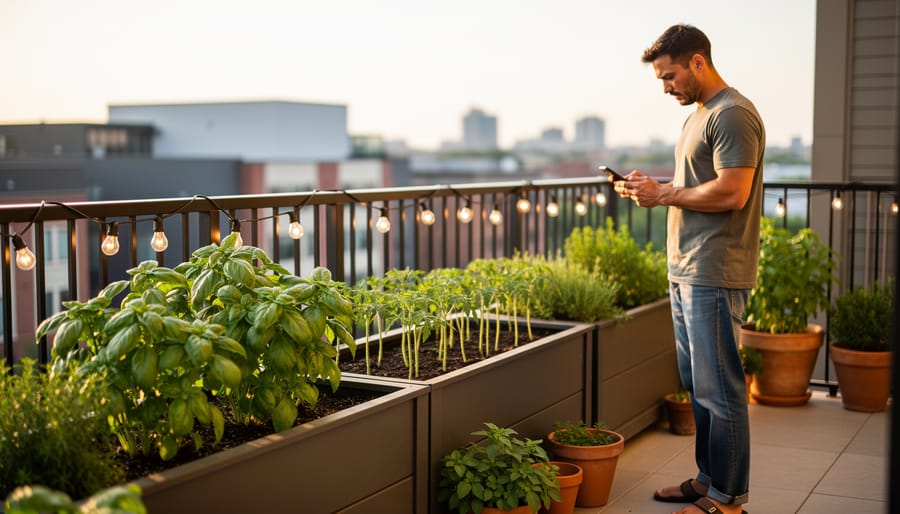
That first comment on your Austin gardening post is proof someone found your content valuable enough to stop scrolling and respond. Whether you shared photos of your balcony tomatoes thriving in the Texas heat or asked for advice on vertical herb gardens, that single interaction marks the beginning of your online gardening community.
Getting one comment might seem small, but it represents a real person connecting with your urban gardening journey. In Austin’s growing community of apartment and small-space gardeners, these initial interactions often lead to exchanges about which varieties handle our intense summers, how to maximize limited square footage, or where to source local compost. The person who commented could become a regular contributor, share your posts with their own network, or meet you at a local plant swap.
How you respond to this first comment sets the tone for future engagement. A thoughtful reply shows you value the conversation and encourages others to join in. Your response can also position you as someone willing to share knowledge and learn from fellow gardeners, which is exactly what builds trust in gardening circles.
This guide walks you through why that single comment matters more than you might think, how to craft responses that spark ongoing dialogue, and practical ways to turn one commenter into the foundation of an active community around your Austin gardening content. Think of it as tending to a seedling that has the potential to grow into something much larger.
Why That Single Comment Matters More Than You Think
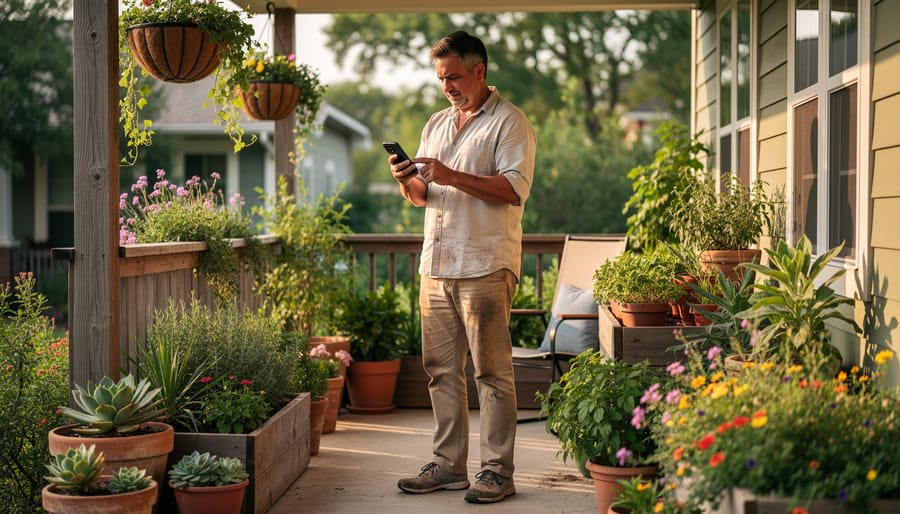
That first notification telling you someone left a comment on your vertical garden post might seem small, but it represents something bigger than you realize. It confirms that someone didn’t just scroll past your balcony herb setup or your hanging planter tutorial. They stopped, read, and cared enough to respond.
For urban gardeners sharing their Austin experiences, this matters psychologically. You’ve been posting about your container tomatoes or showing off your DIY trellis system, wondering if anyone’s actually paying attention. That single comment answers the question. Someone found value in what you shared, whether they’re asking about your drip irrigation setup or complimenting your heat-tolerant plant choices. This validation tells you your content isn’t shouting into the void.
From a practical standpoint, engagement changes everything. That one comment signals to social platforms or blog algorithms that your content deserves wider distribution. More visibility means reaching other Austin gardeners dealing with the same clay soil challenges or summer heat struggles you’re documenting. What starts as one person asking about your shade solutions can snowball into meaningful connections with neighbors tackling similar problems.
This first interaction also marks the shift from broadcasting to conversation. You’re no longer just posting photos of your vertical garden wall. You’re creating a space where people feel comfortable sharing their own experiences, asking questions about growing in Texas heat, or swapping tips on water conservation. That’s the foundation of community, not audience.
The person who left that comment took a risk too. They put themselves out there, hoping for a thoughtful response. How you handle this moment sets the tone for every future interaction. Will people feel heard and welcomed, or will silence make them hesitate to engage again? Your first comment is both a gift and a responsibility.
How to Respond to Your First Comment (Without Overthinking It)
Getting that first comment can feel like a spotlight moment. Your instinct might be to craft the perfect response, but here’s the truth: authenticity beats polish every time. Your fellow Austin gardeners aren’t looking for a corporate response. They want the real you, the person who’s out there battling squash bugs in July heat just like they are.
Here’s your simple framework for responding:
- Acknowledge specifically what they said. If someone mentioned trying cherry tomatoes on their balcony, reference that detail rather than dropping a generic “Thanks for reading!”
- Add a quick piece of value. Share a related tip, like how morning watering works better in our Texas heat, or point them toward your potting station ideas if they’re setting up a container garden.
- Ask a genuine follow-up question. “Are you dealing with the afternoon sun on that west-facing balcony?” keeps the conversation flowing.
- Keep it conversational. Write like you’re chatting at a local nursery, not delivering a keynote speech.
Speed matters, but perfection doesn’t. Replying within 24 hours shows you’re engaged, but don’t lose sleep hunting for the ideal words at midnight. A warm response tomorrow beats an overwrought one next week.
When someone asks about growing conditions, connecting them to your post about Austin gardening zone information helps them and naturally weaves your content together. Research shows that opposing comments drive engagement but in gardening communities, disagreement usually means comparing techniques rather than arguing. If someone suggests a different approach to your vertical setup, embrace it. “I haven’t tried that method yet” opens doors.
Watch out for over-explaining. If your comment response runs longer than your original post, you’ve probably wandered into the weeds. Three to five sentences typically hits the sweet spot. Sign off with your name or a simple emoji if that matches your style, then move on. That first comment is just the beginning of many conversations to come.
Turning One Comment Into a Thriving Garden Community

Ask Questions That Spark Conversation
The simplest way to keep the conversation going is to ask questions that connect directly to Austin’s unique gardening reality. Instead of generic prompts like “What do you think?”, try questions that tap into shared local experiences: “How are you handling this heat wave with your container tomatoes?” or “Has anyone tried vertical trellising for cucumbers in our August sun?”
When someone comments on your post about balcony herbs, respond with specific follow-ups: “Which variety thrived best for you?” or “Did you notice any difference growing them on a south-facing versus east-facing spot?” These targeted questions make it easy for other readers to jump in with their own observations.
Frame questions around common Austin gardening pain points. Ask about watering schedules during drought restrictions, soil amendments for our alkaline clay, or which small-space garden trends have worked in our climate. When you acknowledge the challenges everyone faces, you create natural entry points for sharing solutions and stories.
Avoid yes-or-no questions. “Have you tried vertical gardening?” stops conversation cold. Instead, ask “What’s been your biggest surprise with vertical growing setups?” or “Which vertical structure worked better than you expected?” Open-ended questions that invite gardeners to share wins, failures, and discoveries keep threads alive and give you valuable insight into what your Austin audience wants to learn next.
Share Local Austin Gardening Wins and Challenges
Austin gardeners face unique challenges that make our victories especially sweet. When you share your successes with summer heat or creative water-saving techniques, you’re giving fellow growers permission to talk about their own struggles and breakthroughs.
Post photos of your thriving container tomatoes during a 105-degree week, and watch the comments roll in. Other gardeners will ask about your shade cloth setup, mulching strategy, or which heat-tolerant varieties you chose. These conversations create genuine connection because we’re all fighting the same Central Texas conditions.
Don’t shy away from sharing failures either. Did your lettuce bolt in April? Did your vertical herb garden dry out faster than expected? These honest moments resonate deeply. Austin gardeners know the frustration of planning around our short spring window and the constant battle against summer sun.
Seasonal timing questions get tremendous engagement in our region. When someone comments on your fall planting post in August, they’re looking for validation that it’s actually time to start those seeds despite 95-degree temperatures. Your experience becomes their roadmap.
Focus on the specifics that only Central Texas gardeners understand: limestone soil amendments, watering schedules during drought restrictions, or which greens actually survive our mild winters. This local knowledge transforms casual readers into an engaged community that keeps coming back to share their own ‘1 comments’ worth of wisdom.
What Your Comment Feedback Reveals About Your Content
That single comment sitting on your post is not just validation, it is a tiny focus group handing you direct insight into what your Austin gardening audience actually cares about. Instead of waiting for dozens of responses to spot patterns, you can extract meaningful clues from even one thoughtful remark.
Start by identifying which specific aspect of your post prompted the response. Did someone comment on your balcony tomato setup, your shade-tolerant plant list, or your DIY irrigation hack? That topic clearly struck a chord. If they asked a follow-up question about container sizes or soil mix ratios, they are signaling they want more practical, hands-on details in that area. When readers share their own experiences in response, like mentioning their struggles with Austin’s alkaline soil or their success with vertical herb walls, they are showing you the challenges and wins that matter to them personally.
Pay attention to the language your commenter uses. Casual, enthusiastic phrasing suggests your friendly tone is working. Technical questions indicate your audience may be ready for deeper dives into specific techniques. If someone mentions trying your organic gardening tips or asks where to find certain supplies locally, they are looking for actionable, Austin-specific guidance rather than generic advice.
Watch for these signals that reveal content opportunities:
- Questions about “how” or “where” indicating desire for step-by-step tutorials
- Mentions of specific plants or techniques suggesting future topic ideas
- Local references to Austin neighborhoods, weather, or growing conditions showing regional relevance matters
- Requests for product recommendations or sourcing information
- Stories about their own garden failures or successes revealing shared pain points
Even a simple “Thanks, this helped!” tells you something worked, now figure out which part resonated and create more content in that vein. Your first comment is not just feedback on one post. It is a compass pointing toward what your urban gardening community genuinely needs from you.
Every comment, starting with that very first “1 comments” notification, represents a real person taking time to connect with your gardening work. Whether they’re asking about your vertical herb setup or sharing their own struggles with Austin’s summer heat, that feedback becomes the foundation for something bigger than a solo gardening blog.
Don’t let self-doubt make you dismiss engagement as insignificant. Your willingness to share container garden experiments, vertical growing solutions, and local plant recommendations creates value for fellow Austin gardeners navigating similar challenges. When someone comments, they’re telling you that your content matters to them.
Welcome every bit of feedback as part of your urban gardening journey. Respond genuinely, ask follow-up questions, and let those interactions shape what you create next. The community you’re building starts with one comment, then another, until you’ve created a space where Austin gardeners help each other grow better together.